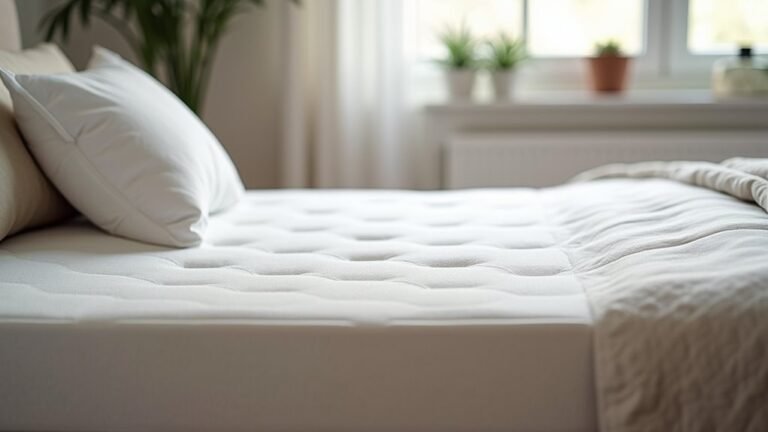

Rotate a mattress every few months to keep wear even and prolong comfort. Memory foam, latex, and hybrid mattresses typically need turning every 3 to 6 months. Newer innerspring mattresses usually require rotation every 6 to 12 months. Always follow the manufacturer’s label for specific guidance. Watch for dips, sagging, or uneven support as signs that rotation is overdue.
How Often Should You Rotate a Mattress?
Usually, you should rotate your mattress every 3 to 6 months to help it wear evenly and stay more comfortable.
In case you share the bed with a bed partner, this habit can help both of you avoid one side sinking faster.
It also supports your sleep position, since your body could press into the same spots night after night.
You don’t need a big routine.
Just pick a simple reminder, like the start of each season, and turn the mattress head to foot.
Should you notice soft spots or uneven support sooner, rotate it earlier.
That small step can help you feel more settled at night, and your mattress can feel more like it fits your life, not the other way around.
How Often to Rotate Each Mattress Type
Different mattress types need different care, so your rotation schedule should match the bed you own.
In case you sleep on memory foam or latex, rotate it about every 6 months to support even comfort and steady temperature regulation.
Hybrid beds usually do best with rotation every 3 to 6 months, since their layered build can wear faster in shared sleep spots.
Newer innerspring models often need a turn every 6 to 12 months, while older ones might need it every 2 to 3 months.
Provided your mattress is flippable, follow the maker’s guide and rotate or flip as directed.
That simple routine helps motion isolation stay strong, so you and your bed partner can rest together more peacefully.
Signs Your Mattress Needs Rotation
Whenever your mattress starts feeling a little off, that’s often your initial clue that it needs rotation. You may notice a pressure imprint where you sleep most, or a softer spot that wasn’t there before.
Should you roll toward the middle, or you feel edge collapse when you sit down, the mattress is telling you it’s worn unevenly. Also, check for dips, lumps, or one side that feels firmer than the other.
These changes can sneak up on you, especially once you’ve settled into the same sleep spot every night. So, trust your body. Were you to wake up a bit sore, or your bed just doesn’t feel like home, a simple rotation can help bring things back into balance and keep your sleep space feeling familiar again.
Why Mattress Rotation Helps
Rotation helps your mattress stay fair to both sides of the bed, so one spot doesn’t take all the pressure night after night. That simple shift supports pressure redistribution, which helps your body rest more evenly and can ease those sore, stuck-together feelings you get after too many nights in the same groove.
It also helps the surface breathe better, so thermal regulation stays steadier and you’re less likely to wake up feeling too warm. In a shared bed, rotation can keep comfort more balanced for you and your partner.
It can even slow down dips that make sleep feel lopsided. Whenever you give your mattress this care, you help it stay supportive, fresh, and more like the cozy place you count on every night.
How to Rotate a Mattress Safely
Start through clearing the bed so you can move the mattress without a struggle or a surprise wobble. Then ask a friend to help, because two steady hands make the job feel like a team win. Grip the mattress at both ends and lift with your legs, not your back. Provided your frame has sharp corners, pad them initially for preventing tears. Next, turn the mattress head to foot with a smooth angle adjustment, keeping it level as you shift.
- Check for handles before lifting.
- Keep fingers away from pinch points.
- Set it down gently and square it up.
After that, smooth the bedding and let the surface settle. You’ll protect the mattress and keep your sleep space comfy and familiar.
When Not to Rotate Your Mattress
Not every mattress should be rotated, so you need to check whether yours is built for it initially.
In case your bed is one-sided, reversible only in a different way, or the maker says not to rotate it, following that warning protects the comfort layers and support.
Whenever the label or owner’s manual gives clear limits, trust those directions before you turn the mattress around.
Non-Rotatable Mattress Types
Some mattresses should stay put, and your owner’s manual usually makes that clear.
In case you own a one-sided foam bed, a pillow-top with fixed layers, or a zoned hybrid, you might’ve a non-rotatable design.
In those cases, rotating can disrupt support and create airflow concerns inside the build.
It can also raise warranty implications should you ignore the care rules.
- Check for sewn-in labels or one-way comfort zones.
- Leave specialty shapes and adjustable-base beds in place.
- Ask before moving a split or weighted design.
You still get comfort and community through caring for it the right way.
Manufacturer Rotation Warnings
Even though your mattress can be rotated, the maker’s instructions still get the final say, and that can save you from a costly mistake.
In the event the tag says no rotation, listen closely. Some beds have zoned support, stitched layers, or edge systems that only work one way. Rotating them can weaken comfort and void warranty compliance. So check the manual before you turn anything.
Also watch for care warnings about pillow tops, split firmness zones, or adjustable bases. These details matter because they protect the shape you paid for and the sleep you count on.
Should you be unsure, ask the brand or retailer to begin with. They’ll help you stay safe, protect coverage, and keep your bed feeling right for the long run.
How to Keep Your Mattress Comfortable Longer
You can keep your mattress feeling fresh longer through using a mattress protector, since it helps guard against spills, sweat, and dust.
You should also rotate it on a steady schedule so the surface wears more evenly and stays comfortable.
And should you place it on a strong, proper foundation, you’ll give it the support it needs to hold up better over time.
Use A Mattress Protector
A mattress protector can quietly do a lot of heavy lifting for your bed. You shield your mattress from sweat, spills, dust, and daily grime, so it stays fresh and feels better longer. Choose a waterproof protector should you desire extra peace of mind, and pick one with an allergen barrier when you share your bed with sneezes and sniffles.
- It helps stop stains before they set.
- It keeps dust and pet dander from settling in.
- It adds a soft, familiar layer that feels like home.
Because you’re caring for your space, this small step can make bedtime feel cleaner and calmer.
It won’t replace good upkeep, but it does protect the comfort you’ve already built.
Rotate On A Schedule
Now that your mattress has a protector to guard against spills and grime, it’s time to keep the bed itself in good shape with regular rotation. Set a simple calendar reminder so you don’t forget.
Most beds do well with seasonal rotation, and many need it every three to six months. Should you sleep on one side more, try partner rotation by swapping head and foot with your partner’s side whenever the schedule fits. That small habit helps the surface wear more evenly and keeps those sleepy dips from settling in too soon.
In case your mattress is new, rotate it a bit more often at the outset, then ease into a steady rhythm. Check your brand’s guide, because a few models ask for a different pace.
Support With Proper Foundation
Under the mattress itself, the right foundation does a lot of quiet work to keep your bed feeling even and supportive.
You’ll sleep better provided your proper foundation matches the mattress, because it helps spread weight and reduce premature sagging.
A solid bed frame keeps everything steady, while a slatted base needs tight, evenly spaced slats so the surface doesn’t dip.
Should your model call for it, a box spring can add the lift and support your bed needs.
- Check the manufacturer’s guide initially.
- Make sure the frame stays level.
- Replace damaged slats right away.
Once you support the mattress well, your rotation routine works better, and your bed stays comfortable for the long haul, which helps you feel at home night after night.
Frequently Asked Questions
Does Rotating a Mattress Void the Warranty?
Usually you won’t void your warranty by rotating your mattress, but you should check warranty terms and manufacturer exceptions. You’re protecting comfort, and following the owner’s guide keeps you covered and confident.
Can I Rotate My Mattress Without Help?
Yes, you can usually rotate your mattress yourself provided it is manageable and not too heavy. Good mattress maintenance means checking rotation frequency and asking someone to help whenever the mattress feels bulky, awkward, or unsafe.
Should I Rotate a Mattress on a Platform Bed?
Yes, you should rotate it on a platform bed provided your mattress manufacturer says so. Check bed frame slat spacing, mattress depth, and headboard clearance initially; you will help your bed feel like a trusted home.
What Tools Do I Need to Rotate a Mattress?
You’ll need cleaning supplies, a protective cover, and perhaps a helper. You can also use gloves or furniture sliders in case your mattress is heavy. Check the bed frame initially, then rotate it safely together.
Does Rotating a Mattress Change Its Firmness?
Yes, rotating your mattress can change how it feels, but not its core firmness. You will spread wear, improve pressure relief, and support better sleep posture. You will keep comfort more even, longer, and feel more at home.