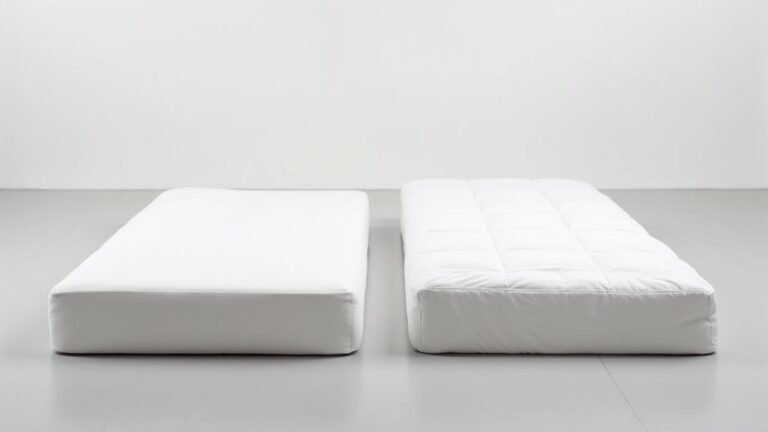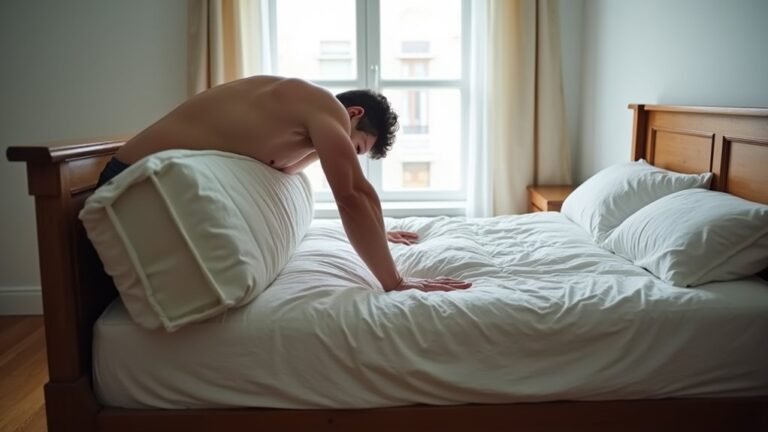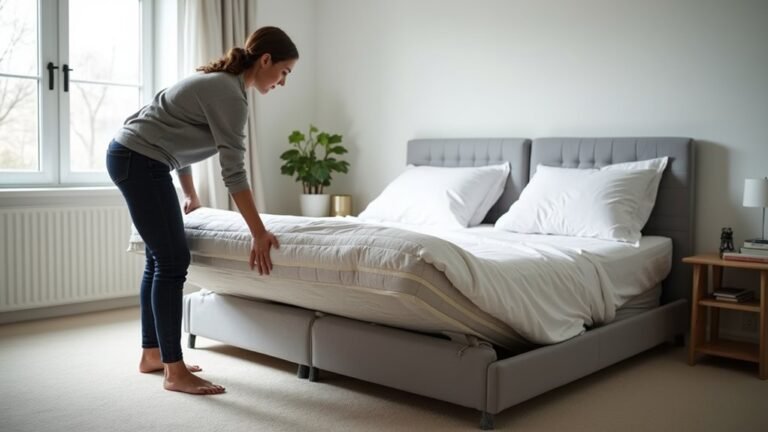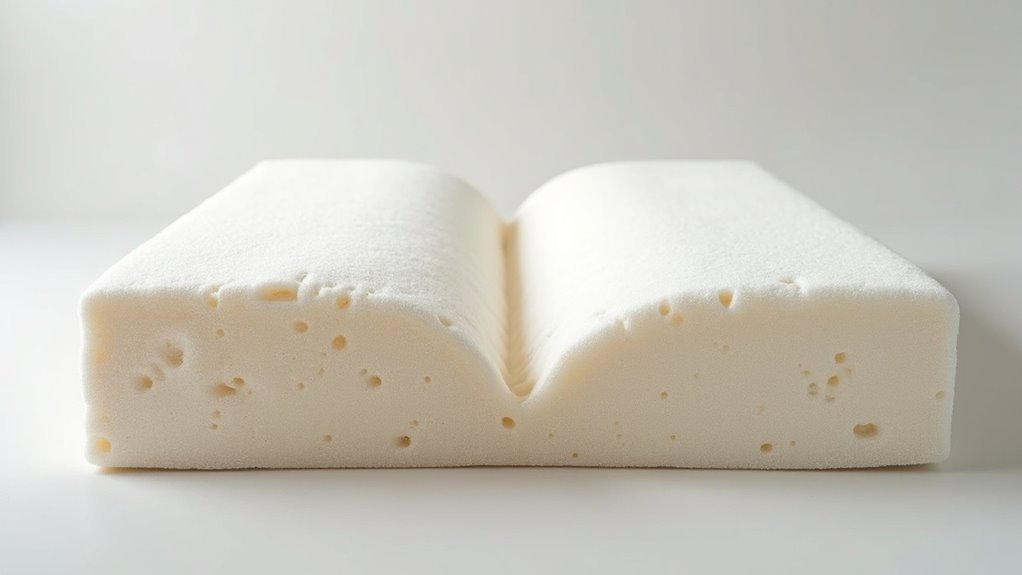

Memory foam mattresses typically last about 7 to 10 years. Longevity depends on foam density, mattress construction, and daily use. Higher-density foams generally keep their shape and support longer. Proper care like rotation and a supportive foundation extends usable life. Watch for sagging, loss of support, and persistent indentations as signs it’s time for replacement.
How Long Does Memory Foam Last?
Assuming you’re curious how long memory foam lasts, the short answer is that most memory foam mattresses stay comfortable for about 7 to 10 years with normal use.
You’ll usually notice its temperature sensitivity initially, since the foam can feel softer when your room runs warm and firmer when it’s cool. That’s normal, and it doesn’t mean your bed is failing.
Still, wear builds over time. Should you see body impressions, sagging, or feel less support, the foam could be nearing the end of its comfy stretch.
New mattresses can also bring off gassing concerns, but that smell usually fades after a few days.
With good care, you and your mattress can remain in sync for years.
How Long Does Memory Foam Last by Type?
Memory foam doesn’t all wear out at the same pace, so the type you buy can make a big difference in how long it stays comfortable. Low-density foam often lasts 3 to 6 years, while mid-density foam usually gives you 6 to 8 years. High-density foam can stay supportive for 8 to 12 years, especially provided you care for it well.
| Type | Typical life |
|---|---|
| Low-density | 3 to 6 years |
| Mid-density | 6 to 8 years |
| High-density | 8 to 12 years |
| Premium with eco certifications | 8 to 12+ years |
If you share a bed with a heavier sleeper, thermal cycling and daily pressure can shorten that range. Whenever you shop, you’re not just buying foam. You’re joining a comfort style that should fit your body and your home.
What Are the Signs Memory Foam Is Wearing Out?
Should your bed begin feeling less like a soft hug and more like a lumpy complaint, the foam could be wearing out.
You might notice sagging where you sleep most, plus body impressions that stay after you get up.
The mattress can also feel less supportive, so your back or hips could ache more in the morning.
Next, pay attention to how it handles heat and pressure.
Rising temperature sensitivity can make the foam feel inconsistent, while fresh comfort keeps its shape and response.
You might also notice more allergen buildup in older foam, especially should it hold dust and feel harder to keep clean.
Once the surface feels flat, uneven, or stubbornly tired, your bed is telling you it’s time to listen.
What Shortens Memory Foam’s Lifespan?
Heat can wear memory foam down faster, especially provided your room stays warm or your mattress sits in direct sunlight.
Heavy daily use also presses the foam again and again, so it loses shape sooner than it should.
In case you skip basic care like rotation, cleaning, and a good protector, small problems can turn into sagging much earlier.
Excess Heat Exposure
Excessive warmth can age a memory foam mattress faster than you might expect, because foam softens whenever it remains under stress in a hot room or near strong heat sources. That softening speeds thermal degradation, so the foam can lose its springy feel and start to deteriorate sooner.
Whenever temperatures rise and fall again and again, heat cycling adds more strain, and tiny changes in the foam build up over time. You could notice more body impressions, less support, and a tired feel that makes sleep less cozy.
To help your mattress stay in the family longer, keep it away from heaters, direct sunlight, and electric blankets set too high. A cooler, steady room gives your bed a better chance to keep its shape and comfort.
Heavy Daily Use
Should you’re part of a busy household, or you live an active life with athletic recovery needs, your bed rarely gets a real break. That matters even more for extreme lifestyles, where extra body weight, long naps, or shifting sleep positions add stress.
Over time, you might notice body impressions, softer edges, or less contouring. Still, you’re not stuck with a tired mattress right away. Once you understand how use affects wear, you can spot changes early and protect your comfort.
Poor Maintenance Habits
Often, the small things you skip each week do the most damage to memory foam. You can help your mattress stay comfy through airing it out, using a protector, and checking for moisture buildup. Whenever you ignore spills, sweat, or a damp room, the foam stays wet longer and breaks down faster. Improper storage also hurts it; should you fold, crush, or seal it in a hot closet, it loses shape and support.
| Habit | Effect | Better move |
|---|---|---|
| Skip cleaning | Dirt settles in | Vacuum gently |
| Ignore spills | Stains soak deep | Blot fast |
| Trap humidity | Moisture buildup rises | Ventilate room |
| Improper storage | Foam warps | Keep flat |
| No rotation | Uneven wear grows | Turn it |
Small care steps really do help you feel at home in your bed longer.
How Does Density Affect Memory Foam Durability?
Foam density plays a big role in how long a memory foam mattress stays comfortable and supportive.
Whenever you examine density evaluation results, you learn how tightly the foam’s cell structure is packed. Higher-density foam usually holds up better because it resists daily compression and keeps its shape longer.
Lower-density foam can feel nice initially, but it often breaks down sooner, especially if you sleep on it every night.
Should you want a mattress that feels like it belongs in your bedroom for years, look for denser layers in the support areas. That extra weight in the foam often means better durability, steadier comfort, and fewer premature wear spots.
Does Memory Foam Lose Support Over Time?
Yes, memory foam can lose support over time as daily pressure slowly compresses the material.
You might notice sagging, body impressions, or a softer feel where you once had even support.
How fast that happens depends on the foam’s density, how often you use it, and how well you care for it.
Support Compression Over Time
As the years pass, memory foam can slowly lose the firm, steady support that made it feel so comfortable initially. You might notice pressure degradation as the foam takes longer to bounce back after you shift. That’s where support recovery matters: good foam springs back more fully, so you feel held, not sunk in.
| Time | What You Feel | What It Means |
|---|---|---|
| Initial years | Even comfort | Strong support |
| Middle years | Slight sinking | Less recovery |
| Later years | Softer feel | More compression |
When your mattress keeps hugging one spot too long, you can feel less supported at night. Still, a well-made bed can remain part of your sleep home for many years. Better density, lighter use, and regular rotation all help your mattress keep pace with you.
Signs Of Sagging
Sagging can sneak up on you, and it often starts with small changes that are easy to miss at the outset. You might notice a dip where you sleep, a flatter feel under your hips, or less bounce whenever you roll over.
As support fades, your mattress can stop meeting you in the same cozy way, and that shift can feel frustrating. Check for uneven spots, lasting body impressions, and edges that no longer hold you up.
Also, pay attention to temperature effects, since heat can make foam feel softer for a while. Should the soft spot stay after the room cools, wear is likely real.
During warranty checks, compare your mattress to the brand’s sag limit, because a clear dip often means it’s time to act.
Factors Affecting Durability
Memory foam can lose support over time, and several clear factors shape how fast that happens. You’re not alone should yours feels softer; that’s common.
- Density and build matter most, because higher-density foam resists sagging better.
- Daily use, body weight, and sleep position press the foam harder each night.
- Heat, moisture, and weak airflow can speed breakdown, whereas good care slows it.
- manufacturing variability can make one mattress outlast another, even in the same line.
When you choose wisely, you also lower your carbon footprint through keeping a mattress in use longer. So, supposing your bed starts losing contouring or feels tired, trust that signal. Your comfort group deserves support that still feels steady.
When Should You Replace Memory Foam?
Even with good care, you should replace memory foam once it no longer gives you steady support or comfortable sleep. Should you wake sore, notice deep body marks, or feel a dip that never bounces back, trust that signal.
Initially, try seasonal rotation and check for warranty checks so you know whether damage is covered. Then look at how the mattress feels from edge to edge. In case one spot feels flat, lumpy, or tired, it’s time to move on.
You deserve a bed that supports your body and helps you feel settled at night. Don’t wait for total breakdown, because comfort fades before the foam looks ruined. Whenever sleep starts feeling like work, replacing it can give you back ease, rest, and a little peace.
How Long Do Memory Foam Mattresses Last?
Most memory foam mattresses last about 7 to 10 years, but your exact timeline depends on the foam density, how often you use it, and how much weight it supports.
You can spot wear by sagging, body impressions, or a flat, tired feel that doesn’t bounce back like it used to.
Should you care for it well with a protector, rotation, and regular cleaning, you can often stretch its comfort a bit longer.
Average Mattress Lifespan
With regular use, a memory foam mattress usually lasts about 7 to 10 years, although that number can shift quite a bit based on quality, body weight, and care.
That’s the typical lifespan you can plan around, so your replacement planning feels less like guesswork and more like a calm routine.
- Budget foam often wears sooner, sometimes in 3 to 6 years.
- Mid-range beds usually stay comfortable for about 6 to 8 years.
- High-density models can give you 8 to 12 years or more.
- Daily use, heavier pressure, and weak support can shorten that timeline.
If you and your mattress have a good match, you might enjoy it longer.
Still, age matters, so keep an eye on the calendar as part of your sleep home.
Signs Of Wear
Sagging is usually the initial sign that your memory foam mattress is starting to wear out, and you can often feel it before you see it.
When you lie down, the foam could no longer cradle you evenly, so your pressure mapping starts to feel off. You might notice deeper body impressions, less edge support, or a tired spot where you sleep most. Those changes can leave you feeling less rested and a little more alone in bed.
As the foam breaks down, it loses bounce and support, even though it still looks fine.
Should you catch these signs early on, you can plan ahead with confidence. That makes replacement easier, and it can also guide foam recycling once the mattress finally reaches the end.
Extending Mattress Longevity
You can help your memory foam mattress last longer via treating it like a daily comfort tool, not a set-it-and-forget-it item. Small habits build a stronger sleep home, and your bed notices.
- Rotate it every 3 to 6 months provided the maker allows it.
- Keep temperature regulation steady with room air flow and a breathable protector.
- Use a supportive base so foam doesn’t sink in weird spots.
- Check warranty tips before cleaning, moving, or adding layers.
You’ll also want to avoid long sitting on the same edge, since that can wear one area fast. Should you share the bed, spread weight across the surface when you can.
These steps won’t make foam last forever, but they can help you keep that cozy, team-you feeling for years.
How Long Do Memory Foam Pillows Last?
Memory foam pillows usually last about 2 to 3 years, and sometimes a little longer provided you care for them well.
Your replacement timeline depends on how often you sleep on it, how much heat and sweat it absorbs, and how firm you like your support.
Good pillow care helps you stay comfortable longer, so use a washable cover, air it out, and keep it clean.
In case your pillow starts going flat, feels lumpy, or no longer hugs your neck, it’s telling you something.
You deserve sleep that feels like home, not a fight with your own pillow.
Whenever support fades, replace it before mornings start to feel stiff.
A fresh pillow can bring back that cozy, familiar comfort you’ve been missing.
How Long Do Memory Foam Toppers Last?
A memory foam topper usually lasts about 3 to 5 years, but its real lifespan depends on how often you use it, how much weight it carries, and how dense the foam is.
You can also spot trouble looking for sagging, body impressions, or a flat, less comfy feel that no longer eases pressure the way it should.
With regular rotation, a good protector, and gentle care, you can help your topper stay supportive for longer.
Topper Lifespan Factors
Several key factors shape how long a memory foam topper stays comfortable, and density is usually the biggest one. Whenever you compare density variations, you’ll notice thicker, firmer foam often holds up better under nightly use. Your body weight and sleep position matter too, because they change how much pressure the topper absorbs.
Then, cover materials can help or hurt longevity through protecting the foam from moisture, dust, and friction.
- Higher-density foam resists premature softening.
- Daily use wears it faster than guest-room use.
- Heavier sleepers compress it more quickly.
- A breathable cover helps it stay fresh longer.
You can’t stop normal wear, but you can slow it down with care. That way, your sleep space keeps feeling cozy and welcoming a little longer.
Signs Of Wear
One of the easiest ways to tell your memory foam topper is wearing out is to pay attention to how it feels night after night. Should you keep sinking into the same dip, or you wake up with more aches, the foam could have lost its bounce.
You might also notice weaker contouring, rough edges, or a flat spot that doesn’t recover well. Temperature sensitivity can become less steady, so the topper feels too soft or too firm more often.
Another clue is allergen accumulation, especially should the surface trap more dust and smells stale even after cleaning. Once these changes show up together, your topper’s comfort is fading, and you’re not imagining it.
That worn-in feel can occur slowly, so trust your body and your sleep.
Extending Topper Life
You can usually help a memory foam topper last much longer through treating it like part of your bed, not just a soft extra layer. You belong to the crew that keeps sleep gear steady, and that care pays off.
- Use a breathable protector to block spills and sweat.
- Follow rotation schedules so one spot doesn’t sink prematurely.
- Keep temperature control steady, since heat can soften foam rapidly.
- Lift it gently when you change sheets, not from one corner.
Next, pair that with a flat, supportive base. Should your frame flex too much, the topper works harder and wears sooner.
Also, let it air out now and then so moisture doesn’t linger. Small habits like these can stretch comfort for years, and they help you keep that cozy, welcoming feel you love at bedtime.
How Can You Make Memory Foam Last Longer?
To help memory foam stay comfortable for as long as possible, start with the basics: give it steady support, protect it from spills and heat, and treat it like the everyday workhorse it is.
You can also help it last through using a mattress protector, keeping the room cool, and checking that the base stays flat and sturdy.
Good temperature regulation matters because excess warmth can speed up softening and wear.
Should your bed be able to rotated, do that on a schedule so one spot doesn’t take all the pressure.
Avoid long stretches of sitting on the edge, and follow warranty care rules so you don’t void coverage unintentionally.
These small habits help you keep that familiar, cozy feel longer, and they make your bed feel like it still belongs in your home.
How Should You Clean Memory Foam?
Spills happen, and memory foam can feel tricky to clean because it soaks up moisture fast.
You can still keep it fresh provided you act quickly and gently. To start, blot the spill with a dry cloth, then use these spot cleaning tips:
- Mix a little mild soap with water.
- Dab, don’t soak, the stain.
- Blot again with a clean towel.
- Let the foam air-dry fully.
Next, use odor removal methods like baking soda to help your bed feel inviting again. Sprinkle it lightly, wait a few hours, then vacuum it off.
Assuming you share your space with pets or kids, a mattress protector can make cleanups easier.
Always keep air moving, because memory foam hates trapped moisture.
Is Memory Foam Still Worth Keeping?
A memory foam mattress can still be worth keeping while it’s clean and comfortable, but age and feel matter just as much as the calendar. Should you still sleep well, the cost benefit can favor keeping it, especially whenever your budget feels tight.
You might also feel emotional attachment to a bed that has carried you through long nights and early mornings. That’s normal. Still, listen to your body each morning. In the event you wake up rested, the mattress is likely doing its job.
Also, good care can help it stay useful longer. Keep it protected, rotate it provided the design allows, and watch for changes in comfort. As long as it still supports you and feels like home, keeping it makes sense.
When Is It Time to Replace Memory Foam?
Once the foam starts losing its shape, you’ll usually feel it before you see it. Should you wake with sore spots, roll toward a dip, or notice less bounce, your comfort thresholds could be past their limit. At that point, replacement timing becomes less about age and more about how the bed feels for you.
Use these signs to guide your choice:
- Track usage tracking should you sleep on it every night.
- Check for sagging, lumps, or lasting body marks.
- Review warranty checks, since deep indentations might qualify.
- Replace sooner provided support no longer feels steady.
You deserve a bed that helps you rest with the group, not fight it. Once the foam can’t keep up, it’s time to move on with confidence.
Frequently Asked Questions
How Do Temperature Changes Affect Memory Foam Durability?
Temperature swings can shorten your memory foam’s life by causing thermal cycling, which stresses the material and speeds firmness drift. You’ll notice more sagging, so keep your room stable and let your mattress breathe.
Can Memory Foam Be Recycled or Donated Safely?
Yes, you can donate or recycle memory foam provided you follow charity guidelines and local recycling programs. Check for stains, odors, and damage; if it can’t comfort one sleeper, it may still help another.
Does Memory Foam Off-Gas Less as It Ages?
Yes, you will usually notice less off gassing as memory foam ages, because chemical breakdown slows and odor migration fades. You will still want good ventilation, though, since older foam can keep some lingering smells longer.
How Does Warranty Length Compare to Actual Lifespan?
Warranty length usually looks huge beside your mattress’s expected lifespan, but don’t buy warranty myths: you’ll often use the bed far longer or shorter than the paperwork suggests. Join the savvy crowd and judge comfort not just dates.
Are All Memory Foam Brands Equally Durable?
No, you will not get equal durability from every memory foam brand. Brand longevity depends on material composition, foam density, and care. When you choose well, you will sleep better and feel part of the crowd.