
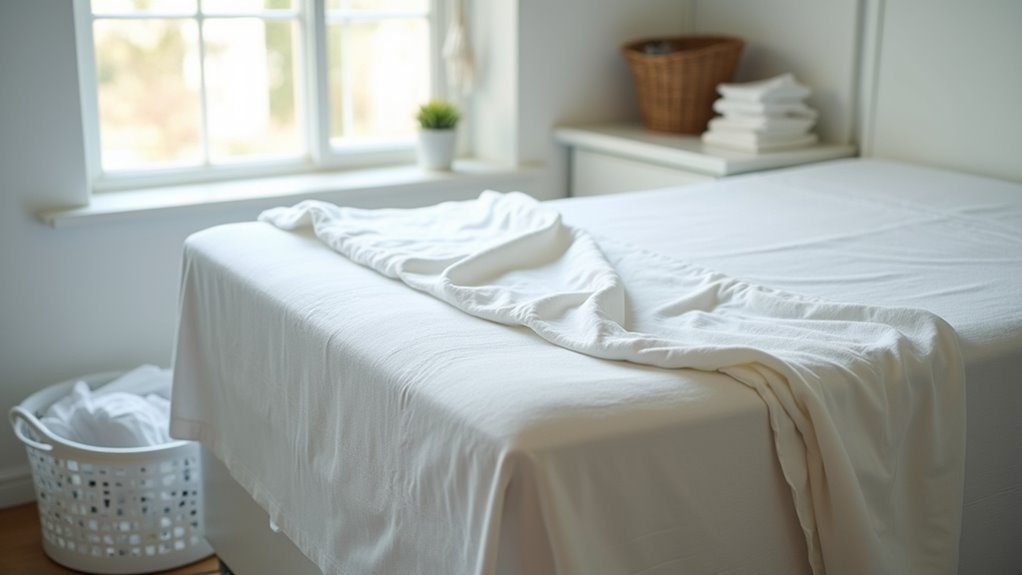

Yes — most mattress covers can be washed safely. Check the care tag first to follow fabric-specific instructions. Use a gentle cycle and mild detergent for delicate materials. Avoid high heat in the dryer to prevent shrinking or damage. Hand-wash or air-dry stubborn or waterproof covers to preserve their shape and function.
How to Tell If a Mattress Cover Is Washable?
How can you tell whether a mattress cover is washable? Start with the care tag, because it usually tells you the truth you need. Look for material tags, wash symbols, and any warning about heat or bleach.
Then check seam integrity. Strong seams and a clean zipper often mean the cover can handle a gentle wash, while loose threads may indicate extra care.
If the label is missing, you can still read the fabric. Cotton and polyester blends usually wash well, but waterproof or quilted covers might need a closer look.
Whenever you feel unsure, trust the maker’s instructions initially. That simple habit helps you protect your bed and feel confident, too.
How to Wash a Mattress Cover Safely
Once you’ve checked the care tag, you can wash most mattress covers without much drama, as long as you keep the process gentle.
To begin, remove the cover, zip it closed, and shake off crumbs so nothing catches. Next, check fabric compatibility with your detergent and washer, because delicate blends need a lighter touch. Use mild detergent and skip bleach, since strong cleaners can wear down fibers. Then choose a cold, gentle wash and rinse well provided residue lingers. For zipper maintenance, close the zipper fully and avoid yanking it during handling. After washing, let the cover air dry or tumble dry low to start the tag allows. That way, you protect the cover and keep your bed feeling fresh and cared for.
What Wash Settings Should You Use?
The right wash settings do most of the heavy lifting, so this part matters more than it seems. You’ll usually do best with cold gentle water and a soft spin, because that helps protect the cover while still lifting grime. Keep the detergent amount modest, since too much soap can cling to fibers and make the rinse less effective.
Should your label allow, choose a delicate cycle and skip any extra extras that feel harsh. Warm water can help only whenever the care tag says it’s okay, but cold is the safest default for most covers. Also, zip the cover initially, then let the washer move it with room to breathe. That way, you’re cleaning with care, not fighting the fabric.
Can You Machine Dry a Mattress Cover?
Yes, you can often machine dry a mattress cover, but only provided the care label says it’s safe.
Once you’re sure, choose low machine heat and keep the load loose so air can move.
Before you start, zip the cover closed and shake off any debris. This helps it tumble evenly and cuts down on snagging.
In case the care labels mention delicate fabric or waterproof backing, skip high heat, because it can warp or weaken the layer inside.
A short cycle works well, and you can check it partway through to avoid overdoing it.
Should the cover still feel damp, let it finish in open air. That extra patience protects the fit, and it keeps your bed feeling fresh and ready for you.
How Often Should You Wash a Mattress Cover?
You don’t need to wash your mattress cover every week, but a quick light clean can help keep sweat, dust, and everyday buildup from settling in.
For a deeper refresh, plan on a full wash about once a month so the cover stays fresh without getting overworked.
Should your bed get extra use from kids, pets, or spills, you might choose to wash it more often so you can sleep with one less thing on your mind.
Weekly Light Cleaning
Usually, you don’t need to wash a mattress cover every week, but a little weekly care can make a big difference.
You can start with surface dusting by brushing off crumbs, lint, and pet hair, then give the bed a quick once-over with your vacuum’s upholstery tool.
Next, rotate your pillows so moisture and wear don’t settle in one spot, and smooth the cover to check for loose edges or spills.
Provided you spot a fresh mark, wipe it right away with a damp cloth and mild soap.
These small habits help you stay ahead of buildup, keep your sleep space feeling fresh, and make laundry day easier.
Plus, they help your cover last longer, so your bed feels cared for, not forgotten.
Monthly Deep Wash
A monthly deep wash is a smart middle ground for most mattress covers, because it clears away sweat, dust, and everyday buildup before they settle in.
You’ll usually feel better understanding your sleep space stays fresh and shared with less grime.
Check the care tag initially, then use cold water, a gentle cycle, and mild detergent.
Before washing, zip the cover, shake off debris, and spot-treat stains so the clean goes deeper.
These deep sanitization techniques work best provided you avoid bleach and harsh softeners.
After the wash, add an extra rinse as needed, then air dry or use low heat only once allowed.
For stubborn smells, use odor neutralization strategies like proper drying and prompt washing, so your bed keeps that clean, cozy feel.
How to Spot Clean a Mattress Cover
Spills happen fast, but a quick spot clean can keep a mattress cover from setting in stains and odors. You’re not alone in this mess, and a calm fix works best. Initially, blot the area with a clean cloth. Then mix mild soap with cold water. Use a tiny amount on a damp cloth for spot treatments.
| Step | What you do | Why it helps |
|---|---|---|
| 1 | Blot gently | Lifts liquid fast |
| 2 | Dab cleaner | Targets the stain |
| 3 | Rinse lightly | Cuts soap residue |
| 4 | Air dry | Helps odour removal |
Work from the outside in, so the mark doesn’t spread. Should the spot stay, repeat once with fresh cloths. Keep the cover flat while you clean, and stay patient. That little care move helps your bed feel fresh again.
How to Keep a Mattress Cover Clean Longer
Once you’ve cleaned up a fresh mark, the best next move is to keep the cover from getting dirty again too quickly.
Start by washing hands before bed and using a top sheet, since that thin layer catches sweat and skin oils initially.
In case you eat in bed, keep snacks off the mattress, because crumbs love to hide in seams.
Also, rotate pillows so one spot doesn’t take all the wear, and air out the room often to reduce dampness.
Skip heavy fragrance sprays, since they can leave residue and mix with odors instead of removing them.
Whenever spills happen, blot fast and let the cover dry fully before you remake the bed.
A little routine care helps you feel on top of things, without much fuss.
Frequently Asked Questions
Can You Wash a Mattress Cover With Other Bedding?
Yes, you can wash it with other bedding provided you match fabrics and colors, but laundry sorting matters. Separate darks from lights to lower color bleeding risk, and do not overload your washer for cleaner, gentler results.
Should You Remove the Mattress Cover Before Stain Treatment?
Yes, you should remove the mattress cover before stain treatment. Take it off immediately, then pretreat it separately so you can target the stain without soaking the mattress. You will protect both layers and feel more confident.
Is Hand Washing Better for Delicate Mattress Covers?
Hand washing can be better for delicate mattress covers because you will protect fabric preservation and avoid rough agitation. You should still use cold water, mild detergent, and gentle handling, and your care label should always guide you.
Can You Use Vinegar to Clean a Mattress Cover?
Yes, you can use a vinegar rinse to help with odor neutralization, but check your care label initially. You should dilute it, avoid soaking the cover, and follow with a gentle wash and air drying.
What Should You Do if the Care Label Is Missing?
If the label is missing, follow the safest path: check the material, then examine inconspicuously like a quiet lighthouse in fog. Wash cold on gentle, use mild detergent, and air dry or use low heat only.
