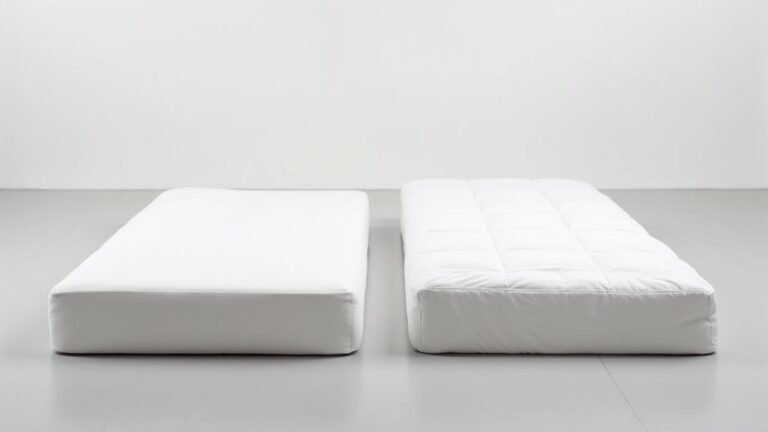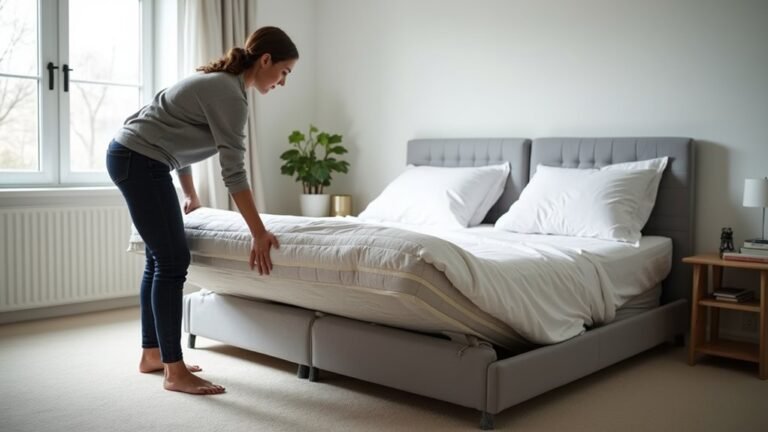

Body weight changes how a mattress feels, supports the spine, and wears over time. Lighter sleepers tend to rest more on top of comfort layers and need softer contouring for pressure relief. Heavier sleepers press deeper into layers, so firmer support and stronger coils or dense foam prevent sagging. Weight also affects heat retention and motion transfer, altering sleep quality. Choosing a mattress matched to body weight improves alignment, comfort, and durability.
How Body Weight Changes Mattress Feel
Your body weight changes how a mattress feels the moment you lie down, and that can be surprising should you expect every bed to act the same. You could call the same mattress cozy one night and stubborn the next, because your load changes how the surface reacts.
With pressure mapping, you can see where your hips, shoulders, and back press most. That helps explain why firmness isn’t a fixed truth.
A lighter body might remain on top and miss some contouring. A heavier body can trigger a comfort shift sooner, so the bed feels less rigid and more joined to you.
Once you understand that shift, shopping feels less lonely, and you can trust your own comfort instead of the label.
Why Heavier Sleepers Sink Deeper
Heavier sleepers usually sink deeper because their bodies press harder on the mattress layers, and that extra force changes how each layer reacts.
You add more weight, so the foam or coils compress more, especially at your hips and shoulders. That creates pressure concentration in the spots that carry the most load.
As the top layers give way, the mattress shifts more of your weight downward, and load distribution spreads across a wider area. This deeper cradle can feel cozy and secure, but it also means the surface must work harder to stay supportive.
Whenever the mattress matches your build, you’ll feel held, not swallowed. That balance helps you rest with less strain and more ease, night after night.
How Light Sleepers Experience Firmer Beds
Why do firmer beds feel so different to light sleepers? Because you possibly won’t press past the surface tension enough to reach the softer layers below.
Instead, you stay higher on the bed, so the spring response feels quick and a little lively. That can make the mattress seem extra firm, even whenever it’s made for many body types.
You could also notice less subtle contouring at your shoulders and hips, which can leave the bed feeling flat at the outset. Once you understand your pressure threshold, the feel makes more sense.
Then you can trust that the bed isn’t rejecting you; it’s simply asking for more time and the right match. With that, you can relax and feel at home on your mattress.
How Weight Affects Mattress Support
A mattress starts to work differently the moment your body settles in, and that’s where weight becomes a big part of support.
You don’t just press down; you change how the whole surface shares your load. With more weight, you request stronger core reinforcement so the middle won’t sag and your spine can stay steadier. Lighter bodies might need less pushback, while heavier ones require firmer help to avoid too much sink.
That’s why zonal support matters, because it gives your shoulders, hips, and midsection the right hold.
Good responsive responsiveness also helps the bed adjust as you move, so support feels steady, not stuck. Once load distribution works well, you feel held, not swallowed.
Pressure Relief by Body Weight
When you’re light, you might need a mattress that gives enough pressure relief without feeling too firm against your shoulders and hips.
Should you be in the middle range, you usually need a balance between cushioning and support so your body can relax without sinking too much.
In case you’re heavier, you’ll often need deeper sink and stronger support layers so pressure spreads out instead of building up in one spot.
Light Weight Pressure Needs
Light sleepers under 130 pounds often need a different kind of pressure relief than heavier sleepers, and that difference matters more than people expect.
For you, a mattress can feel firm fast, so light sleeper comfort often depends on softer layers that make contact without pushing back too hard. That’s where low pressure zones matter. They help your shoulders and hips sink just enough while your waist stays supported.
Should the surface feel too stiff, you might wake up with sore spots or feel stuck on top. A gentle foam, plush pillow top, or responsive hybrid can give you a friendlier fit.
Once your body meets the bed well, you settle in easier, sleep calmer, and feel like the mattress finally gets you.
Medium Weight Support Balance
Your weight sits in the middle zone, so mattress feel matters in a very balanced way. You usually need enough give to ease pressure at your hips and shoulders, but not so much that your body drops out of line. That’s why a medium or medium-firm bed often works well for you. It can spread load evenly, support your spine, and keep pressure mapping more accurate across your sleep surface.
Should you share the bed, motion isolation also matters, because you want comfort without every toss waking you up. Look for foam or hybrid designs that match your shape and sleep position. Whenever the support feels steady and the top layer feels gentle, you get that easy, settled sleep people love.
Heavy Weight Sink Depth
Heavy sleepers often notice that a mattress can feel much softer beneath them, and that extra sinkage can be a good thing provided it’s controlled.
You want enough give to ease pressure at your hips and shoulders, but not so much that you drop too far. Whenever the surface matches your weight, pressure mapping shows a wider spread of force, which can ease sore spots fast.
Then the deeper layers step in, and layer resilience keeps you lifted instead of swallowed. In case you weigh more, a flimsy top can bottom out and make you feel stuck.
A sturdier build helps you rest easier, move less, and wake with fewer aches. That balance matters, because comfort should feel welcoming, not like a sinkhole with sheets.
Best Mattress Firmness by Weight
A mattress feels different once body weight enters the scene, and that’s why firmness should always match the sleeper, not just the label.
Should you weigh under 130 pounds, you’ll usually feel best on softer to medium beds, because they let you sink in enough for pressure mapping at your shoulders and hips.
Assuming you’re between 130 and 230 pounds, medium to medium-firm often gives you the sweet spot with comfort zoning that supports you without feeling stiff.
In the event you’re over 230 pounds, choose firmer support so you don’t sink too far and lose alignment. Still, your sleep position matters too, so side sleepers often need a plusher feel than back sleepers.
Once you pick well, the bed feels like it fits you.
Best Mattress Materials by Weight
Whenever it comes to mattress materials, the right build can make a big difference in how supported and comfortable you feel.
In case you carry more weight, look for dense memory foam, latex, or hybrid designs with sturdy coils, because they resist sagging and keep you from sinking too far. Should you’re lighter, softer foam layers can give you the gentle contouring you need without feeling stiff or flat.
Heavier sleepers also do well with zoning layers, which add extra lift under the hips and more give at the shoulders.
Then, assuming you sleep hot, choose cooling fabrics and breathable covers, since airflow matters more as pressure rises. These material choices help you feel like the mattress fits you, not the other way around.
How Body Weight Affects Sleep Position
Should you’re heavier, your sleep position can press deeper into a mattress, which changes how your body lines up from head to toe.
In case you sleep on your side, your shoulders and hips could sink more, so you need enough lift to keep your spine steady.
On your back, extra sinkage can tilt your pelvis and affect breathing patterns, especially provided your chest sits lower than your hips.
On your stomach, too much drop can strain your neck and lower back fast.
Careful pressure mapping helps you notice where your body lands hardest, while small micro movements can show you whenever you’re not resting evenly.
Whenever the fit is right, you’ll feel settled, supported, and part of the bed instead of fighting it.
How Weight Affects Mattress Durability
When you carry more weight, your mattress takes on more stress, and that can accelerate sagging and support loss over time.
You might also notice faster wear in the foam or coils, especially in the spots you use most.
Even the edges can deteriorate sooner, which can make the bed feel smaller and less stable.
Sagging and Support Loss
As body weight adds more force to a mattress, the materials have to work harder, and that extra strain can slowly lead to sagging and support loss. Once you understand load distribution, you can see why your mattress might dip where you sleep most.
- Your hips and shoulders press deepest.
- Weak spots form whenever support stays uneven.
- Foundation reinforcement helps the core stay steady.
- Good edge support can slow droop.
- A stronger build keeps you feeling included, not sunk.
If you’re heavier, a mattress ought to hold you, not swallow you. Better support lets your spine stay level and your sleep space feel welcoming night after night. That steady feel matters, because comfort isn’t just softness. It’s trust in the bed beneath you.
Material Wear Rates
A mattress that starts to sag doesn’t just feel old, it also wears out faster under your weight, especially in the spots you use most.
Whenever you lie down night after night, your body keeps pressing the same fibers, foams, and fabrics. That repeated load speeds up foam fatigue, so the comfort layers lose bounce and shape sooner.
It also raises surface abrasion, because small shifts from turning and settling rub the cover and top layers more often. Should you be heavier, you’ll usually notice these changes sooner, and that can feel discouraging.
Still, you’re not stuck with a bad fit. A mattress built for your weight can spread stress better, slow wear, and help you sleep with more comfort and trust.
Edge Breakdown Patterns
Even more than the middle of the bed, the edges can tell you a lot about how weight affects mattress durability. Whenever you sit, sleep, or roll near the side, your load hits a smaller zone, so edge resilience matters quickly. With weaker border reinforcement, you might feel that saggy dip that steals support and confidence.
- Heavier weight presses the seam harder.
- Foam cells deteriorate sooner at the rim.
- Springs can shift and lose shape.
- Weak sides make getting up feel shaky.
- Strong edges spread force and stay steadier.
If you share a bed, those spots matter even more, because both of you lean on the same border. So, at the time you examine a mattress, check the edge with real pressure. You deserve a bed that holds you, not one that gives up prematurely.
How Weight Affects Sleep Temperature
Body heat can tell a bigger story than you could expect, because your weight changes how much warmth your body holds in bed. If you carry more mass, you often create a higher thermoregulatory load, so your body might feel warmer through the night. That extra warmth can enhance heat retention, especially in dense foams that slow airflow.
Should you weigh less, you mightn’t hold as much heat, so the surface can feel cooler and less enveloping. Because of this, you and your bed should work together, not fight each other. Materials with open cells, breathable covers, and steady support can help balance temperature for your body size. Whenever your mattress matches you well, you can rest easier and feel more at home.
Signs Your Mattress Is the Wrong Firmness
Now that you know how your weight can change how warm or cool your bed feels, the next clue is how your mattress feels under you.
Should you wake up sore, you might notice a gap in support or too much squeeze. That can show up as:
- pressure points in your shoulders or hips
- surface numbness after short sleep
- a sinking feeling that fights alignment
- motion transfer when your partner moves
- a stiff, trapped feeling when you roll
These signs matter because your body wants both comfort and steady support. In case the bed feels like a board, or like a hammock, it’s likely off.
You deserve a setup that fits your shape and lets you rest along with the rest of your people, not struggle through the night.
How to Choose a Mattress by Weight
Start with your weight, because it changes how a mattress feels the moment you lie down.
In case you’re under 130 pounds, you’ll often like softer to medium models that let your shoulders and hips sink in a little.
In the event you’re between 130 and 230 pounds, medium-firm usually gives you a steady balance of comfort and support.
In case you’re over 230 pounds, look for firmer beds with strong cores so you don’t sink too far.
Also, consider your sleep position and body shape, since they change pressure points too.
Then compare materials, budget considerations, and durability.
Finally, check return policies, because your best match could feel different at home than in a store.
Frequently Asked Questions
Does Body Weight Affect How Quickly a Mattress Wears Out?
Yes, your body weight can accelerate mattress wear, especially if you exceed its limits. Manufacturers use durability evaluation to estimate lifespan, and heavy use could trigger warranty voiding if you ignore weight guidelines.
Can Two Sleepers With Different Weights Share One Mattress Comfortably?
Yes, you can share one mattress comfortably provided you choose one that balances your partner compatibility, motion transfer, and support. You will both sleep better once you match firmness, sleep positions, and pressure needs.
Do Heavier Sleepers Need a Different Bed Frame or Foundation?
Yes, you often need a sturdier frame, not a fancier one. Heavier sleepers should choose reinforced slats or adjustable bases that support you securely, because strong support feels like ease, and quiet confidence feels like comfort.
How Does Body Shape Change Mattress Pressure Points?
Your body shape changes where you feel pressure: broad shoulders, wide hips, or a pronounced waist shift load zones. Pressure mapping shows those points, and better contour adaptation helps you feel supported, aligned, and included.
Can Taller Sleepers Need a Different Mattress Length?
Yes, you may need an extra long mattress so your feet do not hang over like a flag in the wind. If you are tall, removing the footboard can help too, giving you room, comfort, and a better fit.