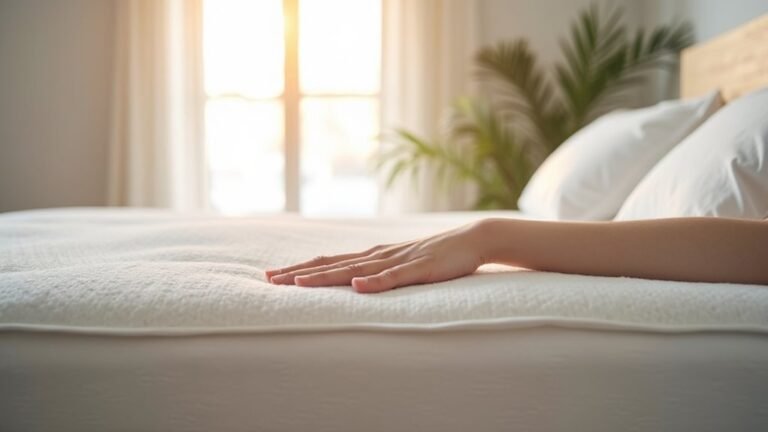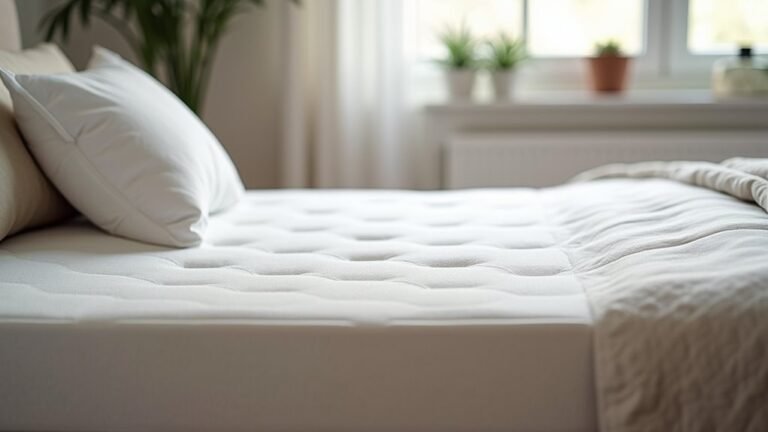

Sleeping on your side with a pillow between your knees often reduces lower back strain. Placing a small pillow under your waist while on your back keeps the spine aligned. A medium-firm mattress supports the natural curve of the lower spine without sinking. Avoid sleeping on your stomach, which pushes the lower back into an arch. Simple adjustments in position and pillow placement can significantly reduce morning lower back pain.
What Is the Best Sleeping Position for Lower Back Pain?
Provided lower back pain is keeping you up, the best sleeping position for many people is side sleeping with your knees slightly bent, because it helps your spine stay in a more natural line. You can make this feel even better by placing a pillow between your knees, which helps your hips and pelvis stay steady. Keep your head pillow supportive too, so your neck doesn’t tip up or down.
Should you curl too tightly, you might add strain, so stay gently bent instead. Good sleep hygiene matters here, because calm routines make it easier to settle into one position. Also, check your mattress rotation, since a sagging spot can throw off your alignment. Should side sleeping still feel off, try small adjustments until you feel supported and rested.
Sleep on Your Back for Better Support
Sleeping on your back can ease lower back pain because it helps keep your spine in a more natural line.
You can make this position work better by placing a pillow under your knees, which takes pressure off your lower back.
In case you still feel sore, try a small rolled towel under your waist for a bit more support.
Spinal Alignment Benefits
Provided you lie on your back, your spine can rest in a more natural line, which often takes pressure off the lower back and lets tight muscles relax. That steady support can help your body feel safer through the night, and you might notice less twisting when you wake up. With better lumbar proprioception, your body senses where it sits and stays steadier. That’s where postural education helps too, because you learn what neutral really feels like.
- Your hips stay closer to level.
- Your shoulders can settle evenly.
- Your back gets quiet support.
- Your muscles don’t have to guard as hard.
- You might feel more at home in bed.
Whenever you keep that line, you give your back a calmer place to recover, and that can make sleep feel less like a battle.
Pillow Support Tips
A few smart pillow choices can make back sleeping feel much easier on your lower back, and the goal is simple: keep your spine calm and evenly supported.
Place a pillow under your knees so your hips relax and your low back keeps its natural curve. Should you still feel a gap at your waist, try a small lumbar cushion or a rolled towel there. You can also trial slight heel elevation with a thin pillow under your calves, which might ease tension for some sleepers. Keep your head pillow low enough that your neck stays level, not pushed forward.
Were you to wake up stiff, adjust one support at a time. Small changes often help you feel more settled, safer, and part of a sleep routine that finally fits you.
Place a Pillow Under Your Knees
Slip a pillow under your knees whenever you lie on your back, and you could feel your lower back start to relax. That small lift can ease tension, support your lumbar curve, and help you settle into calmer sleep ergonomics. Many people like lumbar cushions for this reason, but a folded blanket can work too.
- Keep the pillow thick enough to soften strain.
- Let your knees rest, not hover.
- Try a medium-firm mattress for steadier support.
- Adjust once your body feels centered.
- Use it nightly should it feel welcoming.
You don’t need a perfect setup to belong in a better night’s sleep. You just need support that helps your body feel held, steady, and less on guard.
Sleep on Your Side With a Pillow Between Your Knees
As you sleep on your side with a pillow between your knees, you help keep your spine, hips, and pelvis in better alignment.
That simple shift can ease pressure on your lower back and make it easier to stay comfortable through the night.
Just keep your knees slightly bent and avoid curling up too tightly, so your neck and back can stay in a natural line.
Spine Alignment Support
- You might wake up less stiff.
- Your pelvis can stay more level.
- Your back won’t twist as much.
- Your shoulders can stay calmer.
- You can feel more settled at night.
A good head pillow also matters, because your neck should stay in line with your chest.
Whenever you match comfort with balance, you give yourself a sleep setup that feels kind, steady, and easier to belong in night after night.
Knee Pillow Placement
Tucked between your knees, a pillow can do a lot of quiet work for your lower back while you sleep on your side.
You’ll feel more stable whenever you bend your knees a little and keep your hips stacked. That support cuts down on leg rotation, so your pelvis doesn’t twist through the night.
Pick a pillow that feels firm enough to stay in place but soft enough to stay comfy. Should it slip, hug a body pillow or tuck a small one deeper between your knees and ankles.
Keep your head pillow level too, so your neck stays in line.
With steady hip alignment, your side-sleeping position can feel calmer, kinder, and a lot less fussy for your back.
Pressure Relief Benefits
Side sleeping with a pillow between your knees often brings real pressure relief because it helps your whole lower half stay lined up.
Your hips can relax, your pelvis can stay steadier, and your lower back doesn’t have to twist to keep up. That simple change often feels like a small team effort for your body.
- You might notice less pinching at night.
- Your spine can rest in a calmer line.
- Mattress contouring works better whenever you stay balanced.
- Your knees stop pressing together.
- Better blood flow can support circulation improvement.
Because your body isn’t fighting itself, you could settle in faster and wake up less stiff.
Should your mattress feel uneven, the pillow can still help share the load and keep you comfortable.
Keep Your Spine Neutral While Side Sleeping
Should you sleep on your side, keeping your spine neutral can make a big difference in how your lower back feels come morning.
You want your head, ribs, and hips in one calm line, so your body doesn’t twist while you rest. A pillow between your knees can limit lumbar rotation and support hip alignment, which helps your pelvis stay steady. Choose a pillow that fills the gap without pushing your top knee too high.
Your neck needs care too, so pick a head pillow that keeps your chin level, not tipped up or down. A medium-firm mattress also helps you stay balanced instead of sinking into a curve.
Small changes like these can help you feel supported, settled, and a little more at home in bed.
Avoid Stomach Sleeping
Stomach sleeping can put extra strain on your lower back because it flattens your spine and can twist your neck to one side.
In the event you wake up sore, that position could be part of the problem, not just a bad pillow or a long day.
You’ll usually feel better in a side sleeping position with a pillow between your knees, since it helps keep your body lined up more naturally.
Stomach Sleeping Strains Spine
Although it might feel natural to lie on your stomach, this position often makes lower back pain worse because it pushes your spine out of its normal line.
You also create extra abdominal pressure and can feel diaphragm restriction, so your body works harder to stay relaxed.
- Your lower back flattens and strains.
- Your pelvis sinks and tilts.
- Your muscles stay tense longer.
- Your breathing can feel shallow.
- Your body could wake up sore.
Should you’ve been stuck with this habit, you’re not alone.
Try side sleeping or back sleeping instead, and use a thin pillow only provided it helps your comfort.
Small changes can help you feel more supported, more settled, and more like you belong in your own bed.
Neck Twist Pressure
Your lower back pain can get worse in a hurry should your neck have to twist all night.
Whenever you sleep on your stomach, your head turns to one side, and that neck rotation can pull on your back too. Over time, that strain can make you wake up stiff, sore, and annoyed with the world before breakfast.
You deserve better rest than that. Instead, protect pillow symmetry so your head stays centered and your neck stays calm.
Supposing you notice one shoulder sinking or your face pressed hard into the pillow, that setup is working against you.
A balanced pillow fit helps you feel steady, supported, and part of a sleep plan that actually cares for you. Keep your spine lined up, and let your muscles relax without fighting the bed.
Better Side Sleeping Options
Side sleeping often gives your lower back the break it’s been asking for. Keep your knees slightly bent, not curled tight, so your spine stays calm and your hips don’t twist. Place a pillow between your knees, and should you need extra steadiness, tuck in a slim lumbar roll at your waist. That small support can feel like a teammate for your back.
- Choose a pillow that keeps your neck level.
- Hug a body pillow should it help you relax.
- Pick a medium-firm mattress so you don’t sink.
- Try sleep training tips to build the habit.
- Skip stomach sleeping, since it can tug your back all night.
Should side sleeping still aches, switch sides and adjust your pillow height until you feel that easy, “I fit here” comfort.
Choose the Right Mattress Firmness
A mattress that feels “just okay” on a normal night can turn into a real troublemaker whenever lower back pain shows up. You want support that keeps your hips from sinking and your spine from twisting. Look for medium-firm initially, then try how it feels with your temperature preferences and eco materials in mind.
| Feel | Body response |
|---|---|
| Too soft | Hips drop, back strains |
| Medium-firm | Spine stays steadier |
| Too hard | Pressure builds fast |
Whenever you share a bed, choose a surface that lets both of you rest without crowding each other. You belong in that calm, supported feeling, not stuck fighting the bed at 2 a.m. Should your mattress sags, add a firmer base or replace it. Small changes can bring real relief tonight.
Pick a Pillow That Supports Your Neck
A pillow that supports your neck can make a big difference whenever your lower back already hurts. You want your head, neck, and spine to stay in one straight line, so your pillow’s height and firmness matter more than how fluffy it feels.
Should the pillow be too high or too flat, you might wake up stiff, sore, and wishing you’d trusted your mattress less and your neck more.
Neck Alignment Matters
Whenever your lower back is already aching, the wrong pillow can make bedtime feel like a bad joke. You need your head to stay in line with your chest and back, so your neck doesn’t twist or sag. That’s where neck mobility and pillow ergonomics work together for you. Once your pillow fits, you can relax without fighting your own posture.
- Keep your ears over your shoulders.
- Let your chin rest naturally, not tucked hard.
- Choose support that fills the space under your neck.
- Notice whether you wake with stiffness.
- Adjust until side or back sleeping feels steady.
After your neck feels settled, your whole body can unwind. Then you’re more likely to stay in a position that supports your lower back, and that makes you feel less alone in the struggle.
Pillow Height And Firmness
Now that your neck feels lined up, the next step is making sure the pillow itself does the right job. You want enough height to fill the space between your head and mattress, but not so much that your chin tilts up. A pillow with adjustable loft lets you fine-tune comfort as your body changes through the night.
| Check | Goal |
|---|---|
| Side sleep | Keep ears level |
| Back sleep | Support the curve |
| Too high | Strain your neck |
| Too low | Let your head drop |
| Material durability | Hold shape longer |
Pick one that feels steady, not mushy. Firm support often helps you stay aligned, while a softer feel can still work provided it bounces back well. Whenever you rest easier, your whole body gets to join the relief too.
Use a Pillow Stack for Back Sleeping
Stacking pillows can make back sleeping feel much kinder on your lower back, especially whilst pain has been keeping you awake.
You can build gentle lumbar reinforcement by sliding one pillow under your knees and, should it be required, another at your waist.
This setup helps your spine rest in a calmer line, while torso elevation can ease pressure provided flat lying feels rough.
- Start with one firm pillow under both knees.
- Add a small towel at the waist for support.
- Keep your head pillow low and steady.
- Adjust the stack until you feel settled, not squashed.
- Choose the combo that helps you stay with the group of good sleepers.
Reduce Pressure Points With Side-Sleeping Support
Side sleeping can take pressure off your lower back, but only provided your body stays lined up instead of twisted like a pretzel. You can protect sore spots through pressure redistribution via smart support. Place a pillow between your knees so your hips stay level, and add hip cushioning with a small pad should your top leg sink. That helps you feel like you belong in your bed, not fighting it.
| Support | Effect |
|---|---|
| Knee pillow | Keeps pelvis steady |
| Head pillow | Holds neck in line |
| Hip cushion | Softens side pressure |
| Firm mattress | Limits sagging |
| Small body pillow | Reduces twisting |
Should your shoulder aches, tuck the pillow a bit higher. In case your waist gaps, use a thin towel. Small changes can make side sleeping feel kinder and more restful for you.
Ease Morning Stiffness Before Getting Out of Bed
Waking up stiff can make even the initial step out of bed feel like a small battle, so give your back a gentle start before you stand.
Before you rush, use morning stretches and gradual mobility to wake your spine without jolts.
You’re not being dramatic; your back just wants a calm hello.
- Bend and straighten your ankles slowly.
- Bring one knee, then the other, toward your chest.
- Roll your knees side to side with control.
- Reach your arms overhead and breathe.
- Turn onto your side before pushing up.
These small moves help you feel steady and supported, like you’ve got your own quiet team beside you.
Move at your pace, stay relaxed, and let your body catch up before your feet meet the floor.
Fix Sleep Habits That Worsen Back Pain
Should you’ve already eased into bed with a few gentle stretches, keep that calm feeling going through fixing the sleep habits that could be feeding your lower back pain. Build steady sleep hygiene by going to bed and waking up at the same time, even on weekends.
Then watch movement timing, because heavy chores or hard workouts too late can leave your back tense when you lie down. Keep your room cool, dark, and quiet, and use a mattress that supports you without sagging.
In case you sleep on your side, tuck a pillow between your knees. In case you rest on your back, place one under your knees. Also, limit late caffeine and long screen time, since both can keep your muscles on alert.
When Lower Back Pain Needs a Doctor
Should your lower back pain be mild, you can often manage it at home with better sleep habits and the right position.
But you should call a doctor should it lasts more than a few weeks, keeps waking you up, or blocks daily life.
Watch for red flags like numbness, leg weakness, fever, weight loss, or pain after a fall.
Also, get checked were you lose bladder or bowel control.
- You feel stuck and can’t get comfortable
- Pain shoots down one leg
- The ache keeps coming back
- Your sleep keeps breaking apart
- Home care isn’t helping
Your doctor might review referral criteria ought you need imaging, physical therapy, or a specialist.
That way, you get the right support and stop guessing alone.
Best Sleeping Position for Pregnancy-Related Back Pain
During pregnancy, finding a sleep position that eases lower back pain can feel like solving a puzzle with a moving target. You’ll often do best on your left side with knees slightly bent, because this can reduce strain and help blood flow. Slip a pillow between your knees, and add one under your belly for support. Should your hips feel tight, try a gentle pelvic tilt before bed to relax them.
| Position | Benefit | Tip |
|---|---|---|
| Left side | Less back pressure | Keep knees bent |
| Pillow support | Better alignment | Use between knees |
| Raised upper body | heartburn relief | Stack pillows safely |
Avoid lying flat on your back for long. Were one setup to feel wrong, adjust it. You deserve comfort, and small changes can help your body settle more easily.
Frequently Asked Questions
Can a Recliner Help Lower Back Pain Sleep Better?
Yes, an adjustable recliner can help you sleep better by giving you pressure relief and keeping your spine supported. You will likely feel more comfortable with solutions that include knee support and a slight recline.
Should I Use Heat or Ice Before Bed for Back Pain?
In a flash, use whichever eases you most: heat therapy relaxes tight muscles, while ice can calm sharp soreness. Try 15 to 20 minutes before bed, then choose what helps you feel supported and cared for.
What if My Lower Back Pain Changes Sides Overnight?
If your lower back pain shifts sides overnight it may indicate a muscle imbalance or nerve irritation. Try changing positions, add pillow support, and monitor any patterns. If it continues seek evaluation from a clinician.
Does a Body Pillow Help Lower Back Pain While Sleeping?
Yes. If you place it well, a body pillow can help by giving you support, improving alignment, and reducing pressure on your lower back. For better nights, hug it, tuck it between your knees, and stay relaxed.
How Often Should I Change Positions During the Night?
You don’t need constant position rotation. Change only once you feel discomfort or experience sleep interruptions. Aim to stay neutral and comfortable, then switch sides or your back as needed so you can keep resting through the night.