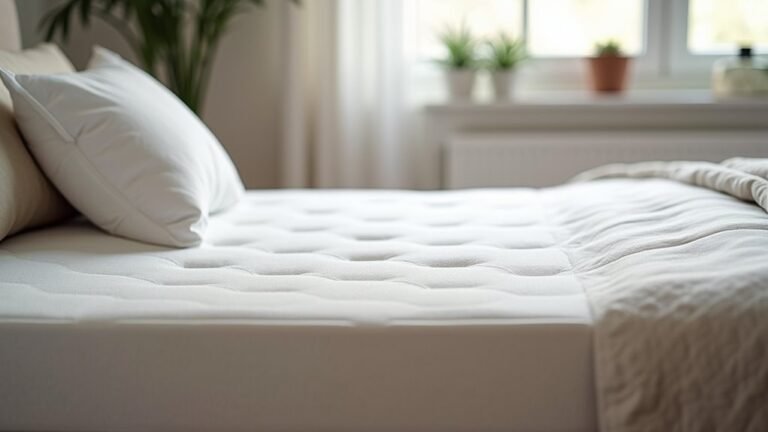

Yes — a mattress can cause back pain. A too-soft mattress fails to support spinal curves, while a too-firm surface creates pressure points. Worn-out coils or sagging areas let the spine drop out of alignment. Sleep position and body shape change how pressure distributes across the mattress. Replacing an old or ill-fitting mattress often reduces morning stiffness and soreness.
How Mattresses Trigger Back Pain?
As your mattress isn’t giving your body the support it needs, it can quietly set off back pain while you sleep. Whenever the surface sags, your spine can drift out of natural alignment, and your muscles work overtime to steady you.
Should the bed feel too soft, too firm, or uneven, you might wake up stiff and sore. Over time, material degradation can weaken the layers that once held you up.
That’s whenever pressure builds in your lower back, hips, and shoulders. Weak edge support can also make you curl inward instead of resting evenly.
Signs Your Mattress Is Hurting Your Back?
Provided you wake up with back stiffness that eases after you get moving, your mattress could be part of the problem.
You might also notice sore pressure points in your hips, shoulders, or lower back, especially after a full night on the same bed.
Should you sleep better away from home or on a different surface, that’s a strong clue your mattress isn’t giving you the support you need.
Morning Back Stiffness
You might notice more spinal stiffness than usual, along with a slow start to your morning mobility. That pattern matters because a bed that’s too soft, too firm, or sagging can leave your spine out of line through the night.
Then your muscles work overtime while you sleep, and you feel it at sunrise. Should you change positions, rotate the mattress, or sleep elsewhere and feel better, that’s useful information.
You’re not imagining it, and you’re not alone. Your body is giving you a real signal, and it deserves attention.
Pressure Point Pain
You may feel fine whenever you lie down, then notice sharp or nagging pain after a few hours. That usually means your body isn’t getting even support.
With pressure point mapping, you can spot where your weight sinks too deeply or gets pushed back too hard. Then targeted cushioning can help soften those trouble spots while still keeping your spine steady.
In the event one area always feels bruised or tense, trust that signal. You deserve sleep that feels shared with your body, not fought against it.
Better Sleep Away
Often, the clearest sign that your mattress is hurting your back is how you feel the moment you get out of bed. Should you wake stiff, sore, or bent out of shape, your bed could be the culprit. You might also feel better after sleeping in a hotel bed or using travel pillows on a trip, which hints that your usual mattress isn’t helping.
| Sign | What it could mean |
|---|---|
| Morning pain | Your spine could lose support overnight |
| Soreness that fades | The mattress could strain you while you sleep |
| Visible sagging | The surface isn’t holding you evenly |
| Relief elsewhere | Hotel mattresses or other beds fit you better |
You deserve sleep that feels safe and steady, not like a nightly wrestling match.
Is Your Mattress Too Soft or Too Firm?
Should your mattress feels too soft, your hips might sink and throw your spine out of line, which can leave you sore come morning.
Should it feels too firm, it can press on your joints and make it hard for your back to relax.
You should also watch for sagging, because uneven support can change how your body rests all night.
Signs Your Mattress Sags
A sagging mattress can quietly turn a good night’s sleep into a rough morning, and the signs usually show up in more than one way.
You might see visible indentations where your hips and shoulders rest, or notice edge collapse whenever you sit down.
The center can dip lower than the sides, making the bed feel uneven.
You could also wake up stiff, sore, or a little cranky, and then feel better after you get moving. That pattern matters.
Should you keep shifting around to find one comfy spot, your mattress could be losing support.
A bed should help you feel settled, not like you’re camping on a soft trampoline.
Once you spot these changes, you’re not imagining it, and you’re not alone.
When Firmness Affects Alignment
Once your mattress is too soft, your body can sink too far and pull your spine out of its natural line, which can leave your lower back feeling twisted come morning. Should it’s too firm, it can press your hips and shoulders up, so your spinal curvature stays tense instead of relaxed. You need balanced vertebral support to keep your joints feeling calm.
| Mattress feel | What you might notice |
|---|---|
| Too soft | Hips dip, back aches |
| Too firm | Pressure builds, sleep feels stiff |
| Just right | Body stays even, pain eases |
| Worn out | Support drops, mornings hurt |
When you wake sore, pay attention to how you feel after moving. That clue can help you and your bed team spot a fit issue.
How Sleep Position Changes Mattress Support?
Your sleep position can change how your mattress feels and how well it supports your back.
Whenever you sleep on your side, your shoulder and hip sink deeper, so your sleep posture needs softer give at the top and firmer support below.
On your back, you need support zones that keep your spine steady and your hips from dropping.
Stomach sleeping often pulls your lower back into a tight arch, so a mattress that’s too soft can make that strain worse.
Because of this, the same bed can feel cozy one night and rough the next.
Should you wake up stiff, your position might be shifting the pressure points.
Small changes in how you rest can help you feel more at ease and better supported.
When Should You Replace Your Mattress?
Usually, it’s worth considering about a new mattress whenever you keep waking up sore, stiff, or tired even after a full night’s sleep.
You deserve a bed that supports you, not one that works against you.
A simple replacement timeline can help you stay ahead of wear, especially provided your mattress is older than seven to ten years.
- Check for sagging, lumps, or noisy springs.
- Notice whether your back feels better on other beds.
- Review warranty considerations whenever damage or deep dips appear.
- Replace it sooner provided pain keeps following your sleep.
Assuming you share your bed, both of you should feel rested and welcome there.
Once the surface stops helping your spine stay aligned, your body often speaks up fast.
Trust that signal and give yourself a fresher place to land.
How to Choose a Mattress for Back Pain?
Should back pain keeps showing up in the morning, the right mattress can make a real difference. You want support that keeps your spine neutral, not sunk or squeezed.
Start with medium-firm options, since they often balance comfort and alignment better than very soft or very hard beds. Use firmness mapping by lying in your usual sleep position and noticing where your hips and shoulders settle.
In case you share a bed, trial the surface together so you both feel steady. Check for sagging, lumps, or edge collapse, because wear can stir up pain fast.
Then look for trial periods so you can sleep on it at home and see how your back responds over time, not just in the store.
Frequently Asked Questions
Can a Mattress Cause Sciatica Symptoms?
Yes, it can worsen sciatica-like symptoms, though it does not usually cause true sciatica. You might think it is just luck, but poor sleep posture can irritate nerve compression, making you wake sore, especially in the mornings.
How Long Does New Mattress Adjustment Take?
Usually, your sleep adaptation takes about 2 to 4 weeks, though you may need longer if your firmness preference is off. You will often feel better once your body settles in and trusts the new support.
Does Pillow Choice Affect Mattress-Related Back Pain?
Yes, your pillow choice can absolutely affect mattress related back pain, like a missing puzzle piece. You need the right pillow loft and material firmness to keep your neck aligned so your whole spine feels supported overnight.
Can a Mattress Topper Improve Back Pain?
Yes, you can use a mattress topper to ease back pain provided it adds pressure relief and better support. It can also improve temperature regulation, helping you sleep more comfortably and wake up less sore.
Should Back Pain Disappear After Changing Mattresses?
Not always. Your back pain might ease after changing mattresses, but it can linger if your sleep position, mattress age, or other issues still strain you. Listen to your body, and seek help if the pain persists.