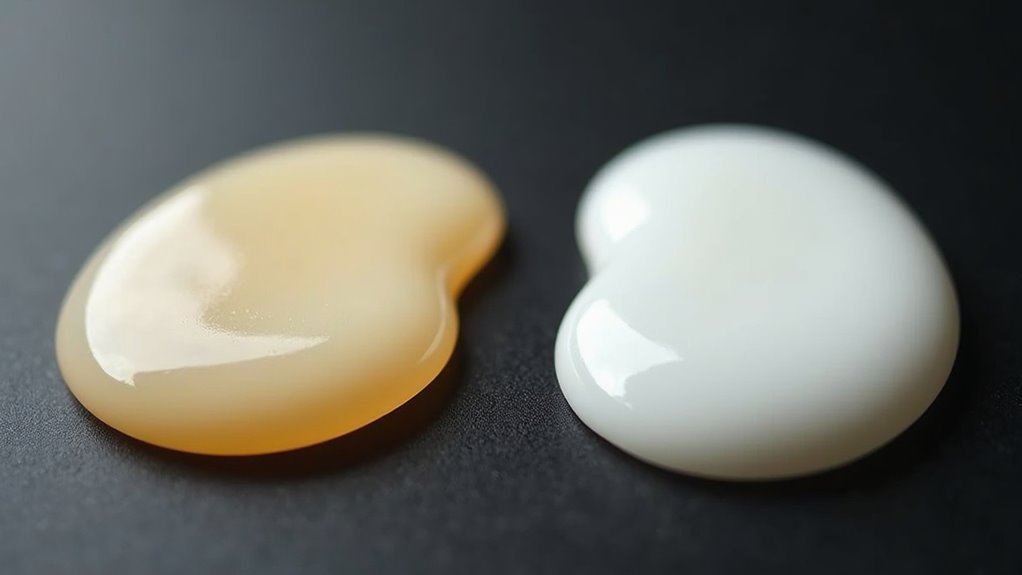

Natural latex comes from rubber tree sap, while synthetic latex is made from petrochemicals. Natural latex feels slightly bouncier and often lasts longer. Synthetic latex tends to be firmer, less expensive, and can trap more heat. A 70% blend is common, so labels can obscure real differences in feel and durability. Comfort, lifespan, temperature control, allergy potential, and aging all vary between the two options.
What Natural Latex Is
Natural latex begins with a tree, not a lab. You get it from the sap of rubber trees, usually Hevea brasiliensis, through careful rubber tapping. That process matters because it keeps the tree alive while you collect its milky fluid.
From there, botanical sourcing turns that sap into a material people trust for bedding, cushions, and more. You’re not just buying a product; you’re choosing a plant-based resource with a clear origin.
Natural latex stays close to its source, so it feels familiar, warm, and grounded. In the event you value materials that come from the earth and support a thoughtful supply chain, this option can help you feel at home in your purchase.
What Synthetic Latex Is
Synthetic latex comes from a very different path, even though it often ends up in the same kinds of products. You get it from petrochemicals, not tree sap, so its chemical composition is built in labs and factories. During production processes, makers blend raw materials, react them, and turn them into a latex-like polymer that can be shaped for many uses.
This material can help you find an option that fits your budget and your needs. It also gives brands more control over texture, density, and performance. Because it’s manufactured, it can vary a lot by recipe. So, whenever you shop, check labels and certifications carefully. That way, you’ll know what you’re bringing home and can feel more confident in your choice.
How Natural and Synthetic Latex Compare
You can consider of natural latex as plant-based and synthetic latex as man-made, and that source difference shapes how each one performs.
Natural latex often feels springier and lasts longer, while synthetic latex usually costs less but could wear out sooner.
As you compare them, you’ll see how material source and durability work together to affect comfort and value.
Material Source Differences
Because the source shapes everything that follows, it helps to start with where each type of latex comes from. You get natural latex from rubber trees, and rubber cultivation depends on careful tree tapping to collect the milky sap without harming the grove. That process keeps it tied to farming, seasons, and skilled hands.
In contrast, synthetic latex originates from petrochemicals, so you’re looking at a man-made material built in a factory, not a field. This difference matters because each one begins with a very different path.
Should you care about a product that feels connected to nature and local growers, natural latex could appeal to you. Were you seeking a manufactured option, synthetic latex suits that role. You can choose with confidence.
Performance And Durability
Once you know where each latex type comes from, it gets easier to see how they actually perform in daily use. You want a mattress or cushion that keeps pace with you, not one that sags after a short run. Natural latex usually gives you better long term resilience, so it holds shape, bounces back, and stays supportive. Synthetic latex can feel fine at the outset, but manufacturing variability might lead to faster flattening or a less lively feel.
- You get stronger spring-back with natural latex.
- You could notice less pressure relief with cheaper synthetic foam.
- Natural latex often breathes better, so you sleep cooler.
- Synthetic latex can wear faster under heavy use.
- Natural latex typically keeps comfort longer, which helps you feel at home.
Latex Comfort and Support
Natural latex usually feels springy, supportive, and easy to move on, which is a big reason so many people love it for mattresses and pillows.
You’ll notice that it hugs your body without trapping you, so your sleep contouring feels natural, not stuck. That balanced feel can bring pressure relief to your shoulders, hips, and back, helping you settle in faster.
Should you like a surface that feels lively but still gentle, natural latex often gives you that sweet spot. Synthetic latex can still feel comfortable, but it might feel flatter and less responsive, so your body mightn’t get the same easy support.
For many sleepers, the right feel matters as much as the fit, and latex can help you feel at home in bed.
Latex Durability and Lifespan
If you compare latex durability, you’ll find that natural latex usually resists wear better and keeps its shape longer.
Synthetic latex can deteriorate faster, so you might notice flattening, tearing, or a loss of bounce sooner. That means the material you choose can determine how long your product feels supportive and comfortable.
Material Degradation Rates
In most cases, natural latex breaks down much more slowly than synthetic latex, and that difference really matters whenever you want a mattress or cushion that still feels steady after years of use.
You can consider of aging mechanisms as the quiet changes that happen over time. The degradation chemistry in natural latex usually resists those changes better, so you keep more bounce and shape. Synthetic latex often ages faster, so you might notice soft spots sooner.
- You get longer support.
- You keep a familiar feel.
- You replace items less often.
- You avoid sudden sagging.
- You remain comfortable in your space.
That slower change helps you feel at home with your choice, not let down through it. Once you invest in something meant to hold you, natural latex often gives you that calm, lasting confidence.
Wear Resistance Factors
Although both kinds of latex can look similar at initially, the way they handle daily wear is very different, and that difference shapes how long your mattress or cushion stays comfortable. You’ll notice natural latex holds bounce better whenever you sit, turn, or lean on it each day. Synthetic latex can soften faster, especially with heat, moisture, and UV exposure from sunlight. Surface treatments can also help slow scuffing and cracking, so ask what finish you’re getting.
| Factor | Wear effect |
|---|---|
| Natural latex | Keeps shape well |
| Synthetic latex | Flattens sooner |
If you share a bed or sofa often, that steady support matters because it helps you feel settled, not saggy, and a little less grumpy in the morning.
Expected Product Lifespan
Because natural latex comes from rubber tree sap, it usually lasts much longer than synthetic latex, and that difference can matter a lot once you live with the product every day. You want gear that keeps up with your life, not something that gives up prematurely.
- Natural latex often stays supportive for 10 to 20 years.
- Synthetic latex might soften or flatten in 2 to 8 years.
- Better breathability helps natural latex hold its shape.
- Heat and wear can age synthetic latex faster.
- Check warranty comparisons before you buy.
If you care about long-term comfort, natural latex commonly feels like the safer home. Synthetic options can still work, but you might replace them sooner. Some makers now mention chemical recycling, yet that doesn’t change how long the product serves you. Whenever you choose well, you join a group of buyers who value comfort, trust, and fewer surprises.
Latex and Allergy Concerns
Allergy worries can make latex feel tricky, but a little clarity goes a long way. Should you have a latex allergy, your immune response could react to proteins found in natural latex, and that can bring itching, sneezing, or swelling.
Even mild skin sensitivity deserves attention, because a small trial can save you from a big headache later. Synthetic latex often skips those natural proteins, so it might feel safer for you were allergies your main concern. Still, you shouldn’t assume every synthetic option is harmless, since some people notice irritation from added chemicals instead.
Latex Sustainability and Environmental Impact
Sustainability matters here, and it can change how you feel about your purchase. When you choose natural latex, you join a crowd that values renewable materials and a smaller carbon footprint.
It comes from rubber trees, so it can decompose at end of life instead of sitting around for years.
- Natural latex is plant-based and renewable.
- Synthetic latex relies on petroleum inputs.
- Biodegradable materials ease waste worries.
- Long-lasting foam can cut replacement waste.
- Cleaner sourcing can support your eco goals.
Synthetic latex might cost less, but it usually leaves a heavier environmental trail.
Should you care about living lightly and fitting in with mindful buyers, look for clear sourcing and trusted certifications. That way, you can feel good about what’s under you.
Which Latex Is Right for You
Whenever you’re choosing between natural and synthetic latex, the best fit usually comes down to how you sleep, what you value, and how much you want to spend. Should you change sleep positions often, natural latex can feel kinder because it springs back fast and supports you well. In case you want a lower price, synthetic latex might still do the job for now.
| Need | Natural | Synthetic |
|---|---|---|
| Comfort | Springier, more responsive | Softer, less lively |
| Care | Follow simple maintenance tips | Replace sooner |
| Budget | Higher upfront cost | Easier on wallet |
You’ll also want to consider allergies, heat, and how long you plan to keep it. In the event you like a cooler bed and a shared sense of quality, natural latex often fits. Should you just need a practical start, synthetic can work.
Frequently Asked Questions
How Can I Verify a Latex Mattress Contains Mostly Natural Latex?
You will need proof: ask for GOLS or full material certifications, request the harvest source, and check for independent allergen testing. Then compare labels, disclosures, and percentages; if anything is vague, it probably is not mostly natural.
What Certifications Should I Look for When Buying Latex Products?
Look for OEKO TEX Standard 100 and GOTS certification, plus GOLS, GREENGUARD, and eco INSTITUT. You’ll know your latex product is safer, cleaner, and feels like it belongs in your home, your values, and your life.
Does Latex Retain Odors After Unboxing, and for How Long?
Yes, your mattress can smell like a new raincoat, but the odor usually fades quickly. Natural latex often clears in days to weeks; synthetic latex can take longer. Off gassing duration varies, so keep windows open to reduce odors.
Can Blended Latex Be a Good Compromise Between Cost and Quality?
Yes, you can find a solid middle ground with blended latex. It often balances durability and cost trade offs, giving you decent comfort, support, and value without paying premium prices, so you still feel included.
How Should Latex Mattresses Be Cleaned and Maintained Properly?
Clean it gently with a damp cloth, mild soap, and spot cleaning tips only, and do not soak it. Rotate it seasonally, use a breathable protector, and let it air out so you will keep comfort and longevity.