
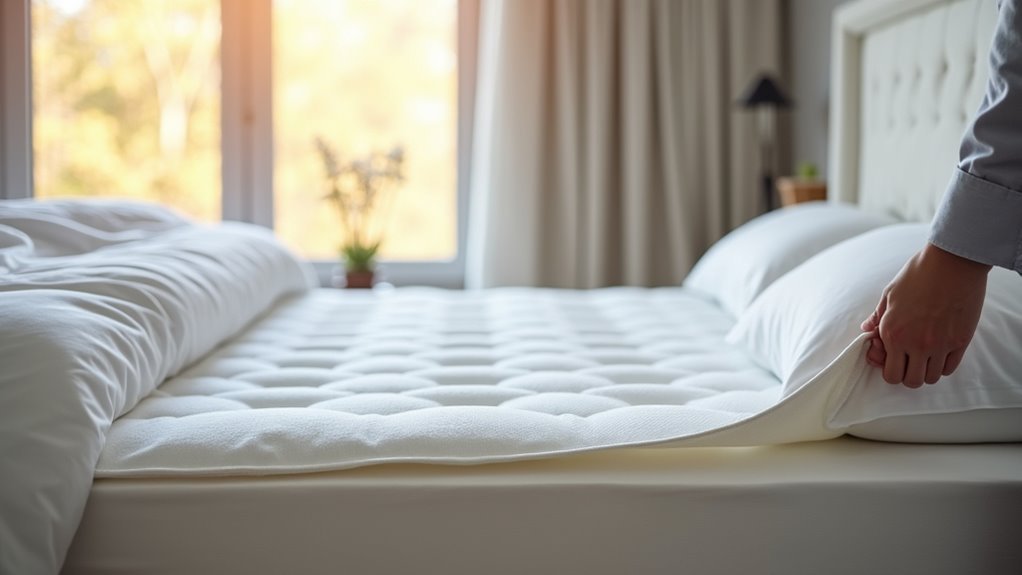

Most mattresses need replacing every 6 to 8 years. Mattress lifespan depends on materials and usage. Sagging, lumps, noisy springs, or new aches signal replacement. Different types—innerspring, memory foam, latex, hybrids—wear at different rates. Simple fixes like rotation, flipping (when allowed), and a supportive base can extend mattress life.
How Long Does a Mattress Last?
Most mattresses last about 6 to 8 years under normal use, and many people use 7 to 10 years as a simple rule of thumb. You can regard that range as a helpful guide, not a hard stop. Your mattress type matters too. Latex often lasts longer, while foam and innerspring beds could wear out sooner.
In case you sleep on it every night, it’ll age faster than a guest-bed mattress. Good care also helps. Rotating it, using a strong foundation, and keeping an eye on temperature regulation and edge support can slow wear.
Still, comfort changes over time, and that’s normal. Once your bed starts feeling less steady or less cozy, you’re not doing anything wrong. You’re just noticing the bed you’ve shared nights with growing older, like all of us.
Signs You Need a New Mattress
Should you be able to see sagging, lumps, or a bed that no longer feels level, your mattress is probably telling you it’s worn out.
You might also notice weaker support, so your body sinks in too much instead of staying aligned.
Once you start waking up stiff, sore, or achy, that’s a strong sign it’s time to consider a new mattress.
Visible Sagging
Visible sagging is one of the clearest signs that your mattress has started to fail, because your body can only get so much support from a surface that has lost its shape.
Whenever you notice a dip where you sleep, or your mattress mapping shows a deep body impression, trust what you feel. That hollow spot can make your spine sink and leave you restless.
You may also see edge collapse when you sit on the side, which tells you the structure isn’t holding up well anymore. Should you and your partner both roll toward the same low area, the bed is no longer sharing weight evenly.
At that point, you deserve a surface that feels steady, familiar, and kind to your body every night.
Worn-Out Support
Your mattress can lose its support long before it looks fully worn out, and that can make sleep feel harder than it should.
You could still feel at home in your bed, but the surface can stop holding you in a steady way. Whenever that happens, look for these signs:
- You sink more on one side or in the middle.
- Edge support feels weak when you sit or lie near the border.
- Pressure mapping would show uneven contact, with some spots taking too much load.
Suppose you notice these changes, your bed isn’t giving you the balanced support you need.
You deserve a mattress that helps you feel settled, not shifted around all night. A worn core can also make the whole bed feel tired, even though the cover still looks fine.
Morning Aches
Waking up with aches more often than not can be a big clue that your mattress has stopped doing its job.
Should your back feel stiff, your hips feel sore, or your shoulders stay tender, your body could be telling you the bed isn’t matching your sleep posture anymore.
As support fades, pressure points build up and make you shift all night, so you never fully relax.
You might even feel better after sleeping somewhere else, which is a pretty clear hint.
Don’t brush off that morning discomfort as normal aging or a bad pillow alone.
Whenever the aches keep coming, your mattress might no longer be giving you the comfort and alignment you need for restful sleep.
When to Replace Your Mattress by Type
When it’s time to size up a mattress, the type you own gives you a big clue about how long it should last and whenever it could start to fail you.
Suppose you sleep on organic latex, you might get closer to 8 to 15 years, while innerspring beds often ask for a new home sooner.
- Latex: check near year 8, or sooner should you notice dips.
- Hybrid: plan around 6 to 8 years, especially ought comfort fades.
- Foam or innerspring: watch for change around 5 to 7 years.
Your warranty duration can help you compare, but don’t wait for a slip of paper to tell your back.
Should you wake sore, hear creaks, or feel less support, you’re likely ready for a better fit and a bed that feels like yours.
What Makes a Mattress Wear Out Faster?
A mattress can seem fine for a while, and then little changes start to add up. You speed up wear whenever you skip rotation, sleep in the same spot every night, or let too much weight press on one area.
Heat and moisture also matter, because poor ventilation traps dampness and weakens foam, fabric, and springs over time. Should you eat, drink, or let kids jump on the bed, you add more stress to the layers inside.
Pets can wear a mattress down too, since pet damage from claws, accidents, and shedding builds up fast. Even a good mattress ages sooner whenever you don’t protect it with a cover or let it dry out between uses.
Signs Your Mattress Is Too Old
You can often tell your mattress is too old whenever you see sagging spots, feel dips, or notice lumps that don’t go away.
Should you wake up with sore backs, stiff joints, or tired muscles more often, your bed could no longer support you well.
You might also notice more sneezing, stuffiness, or allergy flare-ups, which can mean your mattress has built up dust and other irritants.
Visible Sagging
Visible sagging is one of the clearest signs that your mattress is past its best, because the surface no longer spreads your weight the way it should.
Whenever you see a dip in the middle or a tired-looking valley near the edges, your bed has started to lose support.
Pressure mapping can reveal how your body sinks unevenly, and edge collapse often shows up whenever you sit or sleep near the side.
- Check for a dip that stays after you get up.
- Notice whether one side feels lower than the other.
- Look for lumps that make the surface look uneven.
In case you and your bed no longer feel like a good team, that’s a real clue.
You deserve a mattress that feels steady, familiar, and welcoming every night.
Persistent Aches
Persistent aches often tell the story your mattress can’t. Should you wake up stiff, sore, or achy most mornings, your bed could be fighting your body instead of helping it.
You could notice pain in your back, hips, shoulders, or neck after a full night’s sleep. That’s a clue that your mattress no longer matches your sleep positions or supports your frame well.
Whenever that happens, pain management gets harder because your body never fully rests. You might also feel better after sleeping somewhere else, which can be a pretty clear hint.
In a good sleep space, you should feel like you belong there, not like you’re bracing for the next ache. Were the soreness keeps returning, your mattress could be due for replacement.
Worsening Allergies
Sometimes, an old mattress does more than steal sleep. It can trap airborne allergens that make you sniffling and itchy, so you don’t feel at home in your own bed. Should your nose runs, your eyes water, or your asthma flares at night, the mattress might be part of the problem. Dust mites, mildew, and old skin flakes build up over time, and your body notices.
- You wake up congested.
- You feel better outside your bedroom.
- You need clean sheets but still react.
Mattress encasements can help, but they won’t fix deep wear forever. Whenever symptoms keep coming back, your bed could be too old to support healthy sleep. That’s your cue to check its age, look for buildup, and plan for a fresher, safer fit.
Ways to Sleep Better Until You Replace It
While you wait for a new mattress, you can still make nights more comfortable with a few smart fixes. Start with temperature control. Keep your room cool, use breathable sheets, and add a light blanket so you don’t wake up sweaty. Then steady your bedtime routine with the same sleep and wake times, because your body likes rhythm.
| Quick fix | Why it helps |
|---|---|
| Rotate the mattress | Spreads wear more evenly |
| Add a topper | Softens pressure points |
| Support the base | Reduces sagging feel |
| Air out bedding | Lowers damp, stuffy buildup |
You can also fluff pillows, ease aches with a gentle stretch, and keep clutter off the bed. These small moves won’t make an old mattress new, but they can help you feel cared for tonight, and that matters.
When Should You Upgrade Your Mattress?
You should upgrade your mattress as sleep starts feeling like work instead of rest. Should you wake sore, toss often, or notice sagging, your bed could be done helping you. Initially, check the age and wear together, not just the calendar.
- Watch for pain. Back, neck, or hip aches often mean support has faded.
- Notice sleep changes. In case you sleep better in hotels, your mattress perhaps is the weak link.
- Balance budget considerations with trial periods. A new bed should fit your wallet and still give you time to try out comfort.
Also, should allergies flare or springs creak, it’s time to look around. You deserve a bed that feels like part of your crew, not a nightly chore.
Frequently Asked Questions
How Should I Dispose of an Old Mattress Responsibly?
You should donate, recycle, or use municipal pickup for responsible mattress disposal. Choose ethical disposal and landfill alternatives, remove bedding, check local recycling centers, and ask retailers about take back programs so you will help your community.
Can Mattress Protectors Extend a Mattress’s Lifespan?
Yes, mattress protectors can extend your mattress’s lifespan by adding stain prevention and an allergen barrier. You will keep moisture, dust mites, and spills off the surface, helping your bed stay cleaner, comfier, and supportive for longer.
Do Warranties Cover Normal Mattress Wear and Sagging?
Usually not. You are rarely covered for normal wear and sagging; warranties typically cover manufacturer defects, not consumer expectations. Check the terms promptly, because your support crew, not a knight in shining armor, decides what is eligible.
How Do I Choose the Right Mattress Replacement Budget?
Set your budget based on what you can comfortably afford, then match it to your preferred firmness and sleep position. Prioritize support and durability, compare sales, and choose the best value that helps you sleep well.
Are Mattress Recycling or Donation Options Available?
Yes, you are not tossing a mattress into the void. You can often donate, recycle, or use retailer takeback programs. Mattress upcycling can turn old beds into something useful and help you feel good about doing right together.
