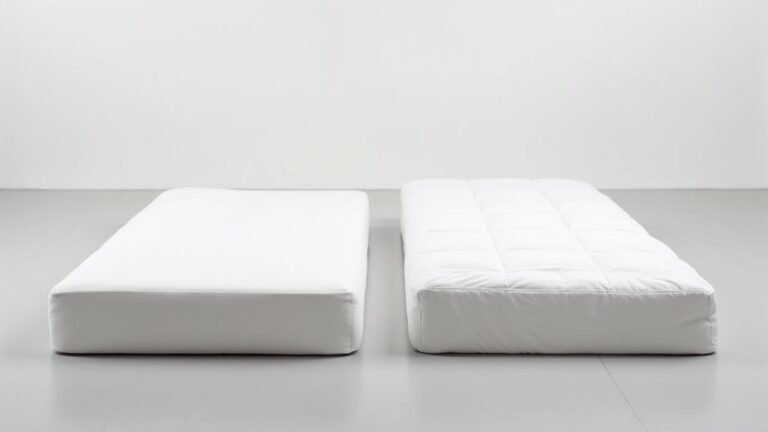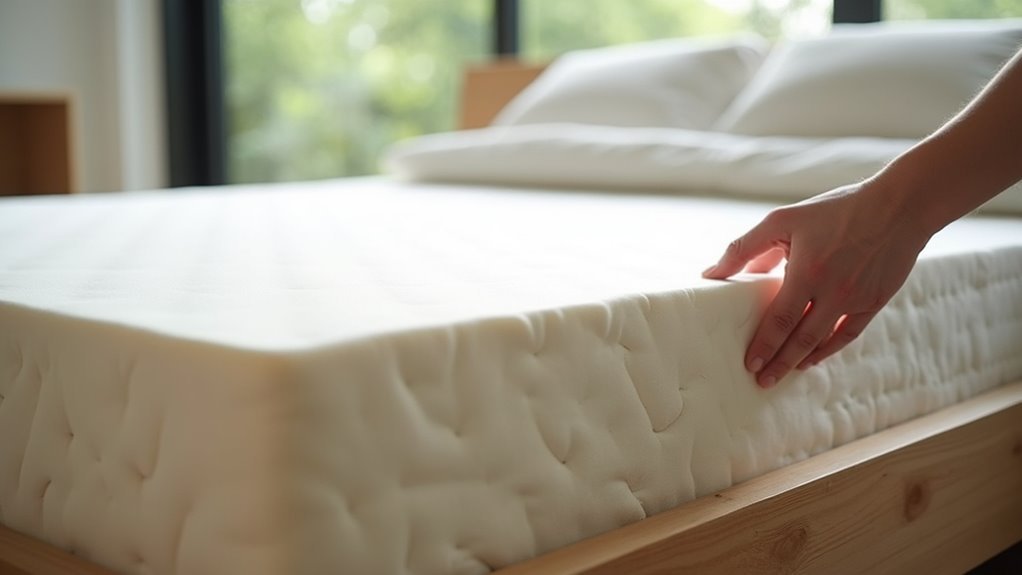

A latex mattress typically lasts 10 to 20 years, and high-quality natural latex often lasts longer with proper care. Longevity depends on latex type, mattress construction, support base, and daily treatment. Natural Dunlop latex tends to be more durable than some Talalay variations. Rotating the mattress, using a supportive foundation, and protecting it from moisture and heavy soiling helps preserve shape and support. This article explains what affects lifespan and practical steps to keep a latex mattress comfortable for as many years as possible.
How Long Does a Latex Mattress Last?
Usually, a latex mattress lasts about 10 to 20 years, and a high-quality natural latex model can sometimes go even longer provided you care for it well.
You can feel good aware latex often outlasts many beds, so you’re not alone in choosing a durable sleep partner.
Natural latex usually goes the distance better than synthetic versions, and firmer builds often keep their shape longer.
Whenever you shop, check eco certifications so you know the materials meet trusted standards.
Also, look for brands with recycling programs, because that adds an easier end-of-life path whenever your mattress finally retires.
Should you want a bed that stays supportive for years, latex gives you a steady, reassuring choice that can fit your home and your values.
What Affects Latex Mattress Life
Several things shape how long your latex mattress stays comfortable, and the biggest ones are the material, the build, and how you care for it. Natural latex often lasts longer, while firmer designs hold shape better. Your room matters too, because temperature sensitivity can affect feel over time. Good support helps, and regular rotation keeps wear even. Latex also brings strong allergen resistance, which helps you sleep easier in a cleaner space.
| Factor | Effect |
|---|---|
| Material | Natural latex usually lasts longer |
| Firmness | Firmer builds often resist sagging |
| Support | A strong base helps it stay even |
| Care | Rotation and gentle use extend life |
When you treat it well, you’re more likely to enjoy steady comfort for years.
Natural vs. Synthetic Latex Durability
Natural latex usually gives you the longest life, so you can expect it to hold up better whenever you want a mattress that stays supportive for years.
Synthetic latex still offers decent durability, but it often wears out sooner, which means you might notice softening or sagging earlier.
Should you be choosing between them, you’ll want to consider how long you need the mattress to stay comfortable and how much wear it’ll face each night.
Natural Latex Longevity
Whenever you compare latex types, natural latex usually comes out on top for lifespan because its structure holds up better under daily use. You’ll often feel that sturdy, lived-in comfort for years, especially whenever the foam comes from careful sustainable harvesting and passes allergen screening.
| Natural latex | Lifespan feel |
|---|---|
| High-quality core | Strong support |
| Proper care | Longer service |
Because natural latex resists premature sagging, you can expect it to stay supportive for about 10 to 20 years, and sometimes longer. Firmer builds usually hold their shape even better, so your bed can keep that familiar, welcoming feel. In case you want a mattress that helps you feel settled night after night, natural latex gives you that dependable, shared comfort without asking for much in return.
Synthetic Latex Lifespan
Synthetic latex usually gives you a shorter service life than natural latex, and that difference can matter a lot once you’re sleeping on it every night.
You’ll often see synthetic latex last about 6 to 10 years, sometimes a bit longer with good care. Still, synthetic breakdown can show up sooner as you notice soft spots, less bounce, or a tired feel.
Should you be choosing for long-term comfort, that shorter span might feel like a real tradeoff. You should also weigh eco concerns, since synthetic materials usually rely more on petrochemicals.
Even so, a well-made synthetic mattress can still support you for years provided you keep it on a solid base and rotate it as needed.
How Latex Mattresses Compare to Other Types
Compared with other mattress types, latex usually gives you more years of solid support before it starts to feel tired. You’ll often get better pressure redistribution and less temperature sensitivity than with memory foam, while also avoiding the quicker sagging you might see in innerspring or many hybrids. That means you can settle in and feel like your bed is still on your side.
| Mattress Type | Typical Life | Feel Over Time |
|---|---|---|
| Latex | 10 to 20 years | Stays springy |
| Memory foam | 8 to 10 years | Softens sooner |
| Hybrid | 7 to 10 years | Could lose shape |
| Innerspring | 5 to 7 years | Wears fastest |
If you want a bed that helps you feel settled for the long haul, latex is often the strong, steady choice you can rely on.
Signs Your Latex Mattress Is Worn Out
You’ll usually notice a latex mattress wearing out once it stops feeling supportive and starts getting in your way at night. You could wake up sore, or you could keep shifting because the bed no longer fits your body.
Look for visible sagging in the center or where you sleep most, because that can signal the foam has broken down. You could also feel uneven support, with one area feeling soft and another feeling firm or flat.
Should your sleep feel lighter, or your body feels less settled, trust that feeling. A healthy latex bed should still feel balanced and buoyant.
Whenever aches, dips, and restless nights keep showing up, your mattress might be telling you it’s time to move on together.
How to Make Your Latex Mattress Last Longer
A little everyday care can add years to your latex mattress, and that’s good news should you want to keep its comfy, buoyant feel for as long as possible.
Rotate it every few months so the same spots don’t carry your weight night after night. Use a breathable protector and let the bed breathe, since air circulation helps latex stay fresh and dry.
Keep the room comfortable too, because steady temperature regulation supports the material’s natural bounce. Should you be able to, place the mattress on a sturdy, slatted base that lets air move underneath.
Also, vacuum the surface gently and clean spills right away. Skip jumping on the bed, and give it a little care after moving it.
Small habits like these help you stay cozy, supported, and part of a bed that lasts.
When to Replace a Latex Mattress
Even the toughest latex mattress won’t stay perfect forever, so it helps to know at what point it’s time to let it go. You should start watching closely around year ten, because wear can show up as sagging, less bounce, or mornings that leave you sore.
Should your sleep feel choppy, or you keep shifting to find comfort, your mattress might no longer support you well. Check bed placement too, since uneven floors or a weak frame can speed up trouble. Also notice room humidity, because too much moisture can affect how the bed feels over time.
Should the surface stay tired even after a full night, or you wake up feeling less rested than before, it’s probably time to replace it and get back to sleeping with your people, comfortably.
How to Care for a Latex Mattress
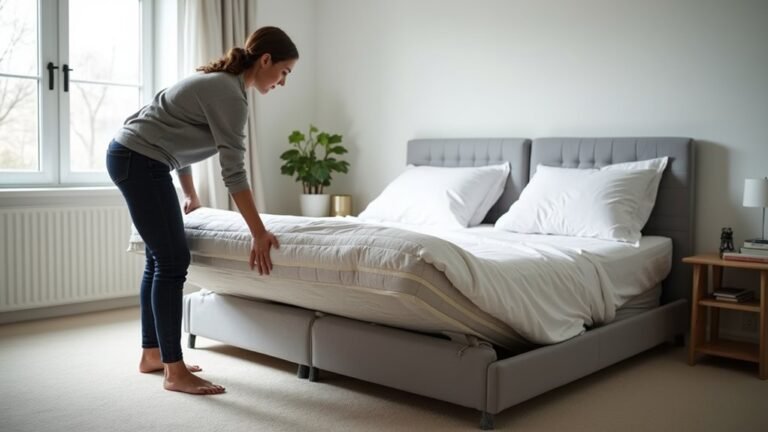
You can help your latex mattress last longer by rotating it on a regular schedule so the wear stays even.
A protective cover also shields it from dust, moisture, and daily messes, which makes upkeep a lot easier.
If spills happen, clean them right away with a gentle touch so you don’t let stains or damp spots settle in.
Rotate Mattress Regularly
Regularly rotating your latex mattress helps it wear more evenly, and that can protect the comfort you paid for. Whenever you follow a simple flip schedule, you share pressure across the surface, so one spot doesn’t sink prematurely. A seasonal rotation works well for most homes, especially provided you sleep in the same position night after night.
| Rotation step | At what point to do it | Why it helps |
|---|---|---|
| Turn 180 degrees | Every 3 months | Evens out body impressions |
| Check edges | With each turn | Catches uneven wear ahead of time |
| Match your routine | Seasonally | Keeps care easy to recollect |
You’ll feel more at home on a mattress that stays balanced. Keep the habit steady, and your bed can keep supporting you for years without losing its comfy, familiar feel.
Use A Protective Cover
Under a good protective cover, your latex mattress gets a strong initial line of defense against spills, sweat, dust, and daily wear.
You’ll feel better understanding it stays fresher, cleaner, and more comfortable night after night. Choose a fitted protector or a zipper encasement that wraps the whole surface snugly. That close fit helps create a hypoallergenic barrier, which is great in case you want fewer allergens near your bed.
Look for breathable fabric so your mattress can still sleep cool and supportive. Also, make sure the cover is easy to remove and wash, because that keeps upkeep simple.
Whenever you protect the surface from the start, you help your mattress stay in your sleep routine longer, and that’s a smart win for your whole room.
Clean Spills Promptly
Even a small spill can sneak into latex fast, so it helps to act right away before moisture settles in. Blot the area with a clean, dry cloth. Don’t rub, because that can push liquid deeper and spread the mess. Then use a little mild soap and cool water on a damp cloth for gentle cleaning. Keep the mattress as dry as possible, since quick stain prevention starts with less soak time.
After that, let fresh air move across the spot until it feels fully dry. Should you catch a spill promptly, odor removal gets much easier too, and your bed stays fresher for longer. A calm, quick response helps protect the comfort you already cherish.
Frequently Asked Questions
Can a Latex Mattress Be Flipped or Rotated Regularly?
Yes, you can rotate your latex mattress regularly, and some models can be flipped too. You will avoid flipping myths by checking the build. Aim to rotate it every 3 to 6 months.
Does Humidity Affect Latex Mattress Durability?
Yes. Humidity can damage your latex mattress because it invites moisture absorption and mold growth if you do not keep it dry. Protect comfort and durability by using breathable bedding, improving ventilation, and performing regular checks.
Are Latex Mattresses Suitable for Adjustable Bases?
Yes, you can use latex mattresses on adjustable bases because their adjustable compatibility and flex performance let you feel supported without losing comfort. You’ll enjoy easy positioning, better pressure relief, and a cozy sleep setup.
How Do Mattress Toppers Impact Latex Lifespan?
Toppers can shield your latex mattress, reducing wear while adding pressure relief and thermal regulation, so you will often feel cozier and more supported. But a poor topper can trap heat, sag and shorten its lifespan.
Is a Latex Mattress Worth the Higher Upfront Cost?
Yes, you’ll often find it worth it because you get natural resilience, hypoallergenic benefits, and long lasting comfort that can make your bedroom feel like a healthier, more welcoming place to belong in.