
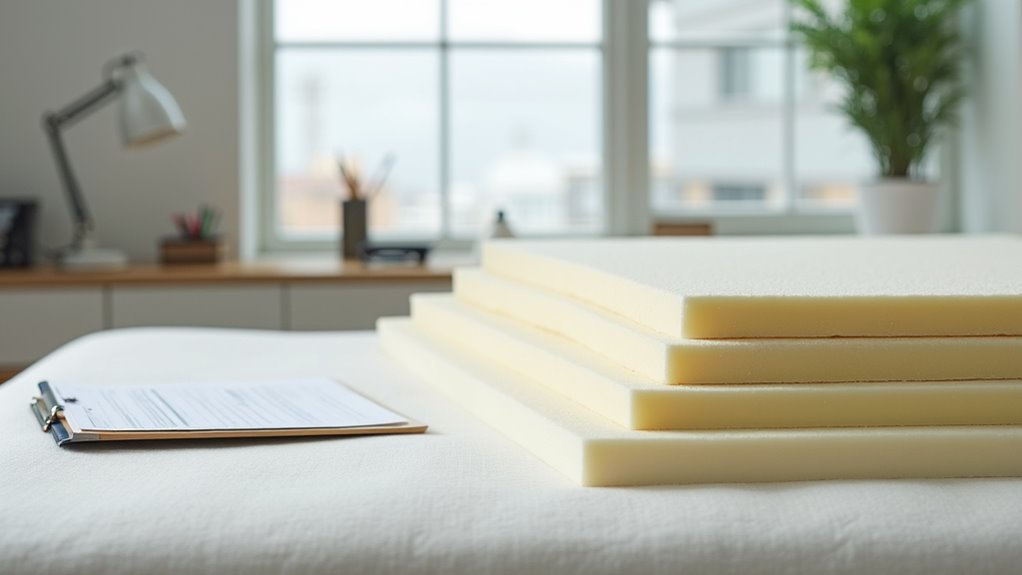

CertiPUR-US is a third-party certification for the polyurethane foam used in mattresses, pillows, and toppers. It verifies the foam is made without ozone depleters, PBDEs, TDCPP, TCEP flame retardants, mercury, lead, and other heavy metals. It tests for low volatile organic compound (VOC) emissions for indoor air quality. It requires foam to meet standards for physical performance and durability. The label applies only to the foam component, not to fabrics, fillings, or the finished mattress assembly.
What Is CertiPUR-US Certification?
What exactly is CertiPUR-US certification? You can consider of it as a trusted label for flexible polyurethane foam in furniture and bedding. It comes from a nonprofit program, so you’re not just guessing about the foam inside your mattress, pillow, or sofa. Instead, the seal shows that the foam met clear rules for content and emissions. That matters whenever you want your home to feel safer and more comfortable. The program also supports chemical sourcing and manufacturing transparency, so you can better understand how the foam was made. Because the seal applies to the foam itself, not the whole product, you still get a focused check on one significant part. For many people, that brings real peace of mind.
What Does CertiPUR-US Test For?
Now that you know CertiPUR-US is a foam label, it helps to look at the exact things it checks before that seal can show up on a mattress, pillow, or sofa.
You can trust that the foam goes through emission screening for indoor VOCs, so your room doesn’t get hit with harsh fumes.
CertiPUR-US also checks for formaldehyde, ozone depleters, and phthalates that regulators watch closely.
On top of that, it screens for mercury, lead, and certain flame retardants tied to health concerns.
Independent labs screen the foam, and the results must meet set limits.
Then, the foam gets checked again over time, which helps keep the standard steady.
That means you’re choosing a space that feels safer, calmer, and more like home.
What Doesn’t CertiPUR-US Cover?
CertiPUR-US only covers the foam itself, so you can’t treat it as a promise about every part of the mattress or sofa you buy.
It also leaves out non-foam materials like covers, springs, adhesives, and fabrics, which can still affect your comfort and safety.
Excluded Chemicals List
Even though CertiPUR-US covers a lot of significant safety points, it doesn’t screen for every chemical that could show up in foam.
You still get strong phthalate exclusions, since the foam must avoid phthalates that regulators restrict.
You also benefit from heavy metal screening, which helps keep mercury, lead, and similar metals out of the foam.
On top of that, the program checks for some flame retardants tied to health concerns, so you can feel more at ease.
However, this list is specific, not endless. That means CertiPUR-US gives you a focused safety filter for polyurethane foam, while leaving other chemicals outside its scope.
Should you want a clearer image, look at the foam’s analysis results and the seal together.
Non-Foam Materials
What about the rest of the product? CertiPUR-US only checks the foam, so you still need to look at the non foam materials around it.
The cover, stitching, zippers, and frame can come from other sources, and they might use different standards. That means chemical finishes, textile treatments, and adhesive residues aren’t covered by the foam seal.
You can still choose pieces that feel right for your home, but the badge won’t tell you everything about every layer. Consider it as one trusted part of the puzzle, not the whole scene.
Whenever you shop with that in mind, you stay informed and connected to choices that fit your space and your peace of mind.
Limited Health Claims
Still, this seal has clear limits, so it helps to know what it doesn’t promise before you buy.
You’re getting foam that meets content and emission rules, but you’re not getting a blanket health guarantee for the whole mattress or sofa.
CertiPUR-US doesn’t evaluate every fabric, glue, zipper, or spring, so those parts can still bring their own issues.
It also doesn’t mean the product is hypoallergenic, pain relieving, or safe for every sensitive person.
Those health caveats matter because your body’s needs are personal, and no seal can replace medical disclaimers from a doctor.
So, use the certification as one helpful sign, not a full promise.
That way, you can shop with more confidence and still feel like you belong with informed buyers.
How Does Foam Get CertiPUR-US Certified?
So, how does foam actually earn the CertiPUR-US seal? You start with the certification process, where the maker sends foam samples to approved third-party labs. Those labs run lab evaluations to check the foam against strict rules for content and emissions. If it passes, you can spot the seal on products with certified polyurethane foam, like:
- a mattress that feels ready for bedtime
- a topper that hugs your shoulders
- a pillow that supports your neck
- a sofa that welcomes the whole crew
Then the foam doesn’t just rest there. It gets retested every year, and random checks can happen too. That means you’re part of a group that values cleaner, inspected foam. It’s a simple path, but it gives you a clearer, more confident choice.
Why CertiPUR-US Matters When Buying Foam
Whenever you’re choosing foam for your home, CertiPUR-US matters because it gives you a clearer way to judge what’s inside, not just how something feels in the store. You can look for foam that’s evaluated for low emissions and fewer unwanted chemicals, which supports indoor airquality in the rooms where you relax, sleep, and gather. That matters whenever you want your space to feel safe, calm, and truly yours.
The seal also builds consumer confidence because it comes from third-party evaluation, not guesswork. So, whenever you shop, you’re not just picking softness or support. You’re choosing foam that meets a stricter standard and helps you feel more secure about what you bring home. That sense of trust can make every purchase feel a little more welcoming.
How CertiPUR-US Works in Mattresses and Pillows
Inside a mattress or pillow, CertiPUR-US works via examining the flexible polyurethane foam before it ever reaches your home.
You get foam that’s evaluated by independent labs, so your bed feels more reassuring from the start.
That matters for sleep ergonomics, because the foam can support your shoulders, hips, and neck in a more comfortable way.
Imagine it like this:
- A foam sample gets sent out.
- A lab inspects its content and emissions.
- The foam must meet set limits.
- The seal appears only when it passes.
How CertiPUR-US Compares to Other Foam Certifications
At the time you compare CertiPUR-US with other foam certifications, the biggest difference is that it focuses on the foam itself, not the whole mattress or sofa, which can make shopping feel a lot less confusing.
You can use a comparison matrix to see how it stacks up against broader labels that might cover fabrics, covers, or final products.
Because CertiPUR-US examines flexible polyurethane foam, it gives you a clear check on emissions, restricted chemicals, and durability. That helps you judge indoor air quality with more confidence.
Other certifications could look at different materials or include lifecycle impacts, so they answer a wider question. CertiPUR-US stays simpler and more focused, which can help you feel like you’re choosing safer foam with your people in mind, not guesswork.
How to Spot a Real CertiPUR-US Label
A real CertiPUR-US label should feel clear, not tricky, and that little seal can save you a lot of second-guessing whenever you’re shopping. You belong in the room with shoppers who check the details, and you can do that too. Look for authentic labels on the foam tag or product page, then match the name exactly.
- Find the seal, then read it closely.
- Check for the CertiPUR-US name and logo.
- Make sure the label fits foam in mattresses, pillows, or sofas.
- Ask the seller for proof whenever the mark looks fuzzy.
For counterfeit avoidance, compare the seal with the official version and watch for odd colors or spelling slips. Should a seller hesitates, trust that pause. Real authentic labels make your choice feel easy, calm, and smart.
Common Myths About CertiPUR-US
Now that you know how to spot a real CertiPUR-US label, it helps to clear up the myths that make foam shopping feel more confusing than it should.
You might hear consumer misconceptions like “certified” means every part of the product is covered, but the seal only talks about the foam. You could also hear longevity myths, such as the idea that safer foam must wear out faster. That isn’t true. CertiPUR-US checks content and emissions, and it also includes durability standards, so you can feel more at ease.
Another myth says the label is just marketing fluff. In reality, independent labs evaluate the foam, then retest it over time.
Once you understand this, you can shop with more confidence and feel like you belong in the know.
Who Should Look For CertiPUR-US Foam?
- mattresses that touch your skin all night
- toppers that soften a too-firm bed
- pillows that support your neck
- sofas and chairs where everyone gathers
If you share your home with kids, guests, or furry friends, this foam can fit your space better. It won’t fix everything, but it can make you feel more at ease whenever you settle in and belong.
Frequently Asked Questions
How Long Does Certipur-Us Certification Last?
It usually lasts one year, since you will see annual retesting and random checks. That keeps your foam current, supports sleep hygiene, and can complement warranty coverage while you are choosing trusted, certified comfort you belong with.
Is Certipur-Us Certification Required by Law?
No, you do not need CertiPUR-US certification by law. It is a voluntary standard that helps consumers choose foam that meets trusted safety expectations and may be used for regulatory compliance and legal exemptions, making it easier to select products that feel right for your home.
Who Performs the Certipur-Us Testing?
Independent laboratories perform the CertiPUR US assessments, not foam manufacturers themselves. You submit foam samples to approved third party labs, where trained experts check them, so you can trust the seal and feel confident together.
Can Certipur-Us Foam Still Have an Odor?
Yes, you can still notice some odor because new foam can off gas briefly. The off gassing timeline varies, but odor mitigation usually improves it fast, so you will likely smell less after airing it out.
Does Certipur-Us Guarantee a Mattress Is Non-Toxic?
No, it does not guarantee a mattress is non toxic. You get foam with lower chemical emissions and more manufacturing transparency, but the whole mattress can still include other materials. About 0.5 ppm VOCs helps, though.
