
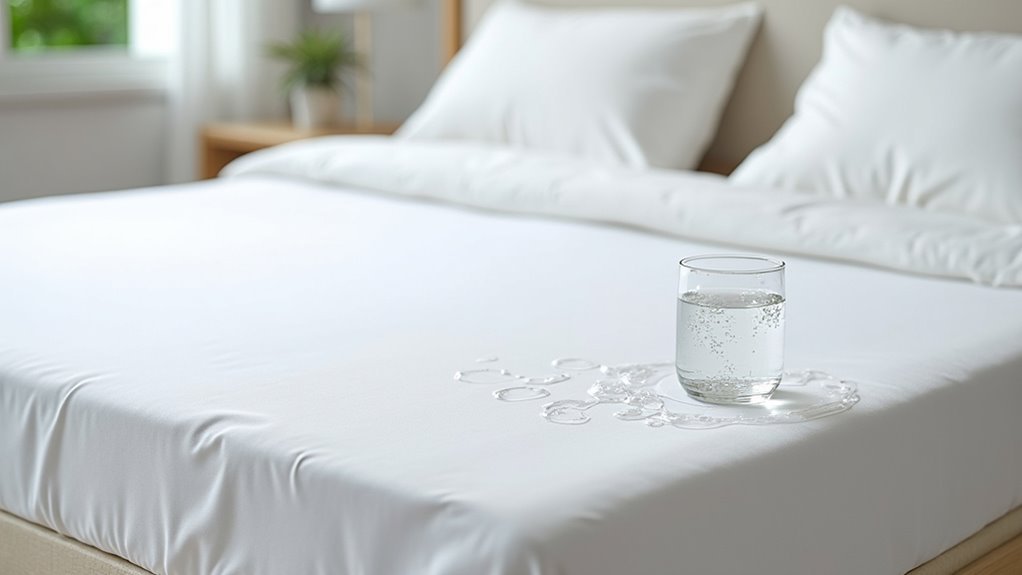

A mattress protector sits between sleeper and mattress and quietly does a lot of heavy lifting. It blocks spills, sweat, dust, and skin flakes, keeping the bed cleaner and extending mattress life. Some models provide waterproof or water-resistant protection, while others improve airflow, reduce allergens, or guard against bed bugs. Choice of material and fit affects comfort and breathability. Picking the right protector helps maintain sleep quality and mattress hygiene over time.
What Does a Mattress Protector Do?
A mattress protector works like a quiet shield for your bed. You place it on top of your mattress and under the fitted sheet, so it stays close without stealing comfort.
It gives you a clean, washable layer that helps block spills, sweat, skin cells, and everyday dirt. That means you can relax more, aware your bed feels fresher night after night.
Many covers use cotton, polyester, or polyurethane blends, and material innovations now offer softer breathability and stronger barriers. Should you like eco options, you can find choices made with kinder fabrics too.
Some protectors even help with allergens, so you can sleep easier and feel right at home in your own space.
How a Mattress Protector Shields Your Mattress
Slip a mattress protector onto your bed, and it starts working quietly right away. It sits between you and the mattress, so spills, sweat, and everyday mess stay on the surface instead of sinking in.
That thin barrier also helps with sound reduction, which can make your bed feel calmer at night. Because it’s built to stay breathable, it supports temperature regulation, too, so you can rest without feeling trapped in heat.
Should you share your bed, you’ll like how it keeps the sleep space feeling fresh and cared for. It also helps guard against dust and wear, which means your mattress can stay in better shape for longer.
You get simple protection, and your bed feels more like it belongs to you.
Why a Mattress Protector Helps With Sleep and Hygiene
Because your bed should help you rest, a mattress protector plays a quiet but significant role in sleep and hygiene. It gives you a cleaner sleep surface, so you don’t lie down on sweat, skin cells, or dust that builds up over time. That matters because a fresher bed can help you feel more relaxed at night.
It also supports sleep hygiene by making cleanup simple, which can ease the worry that keeps you awake. Whenever a protector helps manage moisture, it can also support temperature regulation, so your bed feels more comfortable through the night. With fewer irritants around you, you can breathe easier, settle in faster, and feel more at home in your own space.
Types of Mattress Protectors
Now that you know how a mattress protector helps keep your bed cleaner and more comfortable, it makes sense to look at the different types you can choose from. | Type | Best for | Coverage |
| — | — | — |
|---|---|---|
| Fitted protector | Everyday spill defense | Top and sides |
| Zippered encasements | Full mattress protection | All six sides |
| Cooling styles | Hot sleepers | Breathable top layer |
You’ll usually see fitted styles, which feel familiar and easy to use. Should you want stronger coverage, zippered encasements wrap the mattress like a shield and help keep dust and pests out. Some beds pair well with ventilated foam designs, since they let air move while still adding protection. This matters whenever you desire comfort and a sense of belonging in your own sleep space. Choose the style that fits your routine, and you’ll feel more at home each night.
How to Choose the Right Mattress Protector
Choosing the right mattress protector starts with grasping what your bed actually needs, not just picking the initial package that looks fine on the shelf. You want a fit that feels like part of your sleep setup, so check size, depth, and whether you prefer a fitted style or full encasement.
Then look at these details:
- Pick breathable fabric for comfort.
- Check waterproof or water-resistant backing.
- Review thread count for feel and airflow.
- Confirm material certifications for safer materials.
Should you have allergies, look for hypoallergenic claims and dust-mite control. In case you share your bed, choose a secure fit so it stays in place all night. The right protector should support your routine and help your room feel calm, clean, and truly yours.
How to Wash and Replace It
To keep your mattress protector doing its job, wash it on the care label’s cycle with a gentle detergent and skip harsh bleach unless the label says it’s safe.
After that, dry it fully on low heat or air dry it so the barrier stays intact and doesn’t trap moisture.
Should you notice thinning fabric, worn seams, or leaks after washing, it’s probably time to replace it.
Washing Instructions
As soon as your mattress protector starts to look dull or feels less fresh, a gentle wash can bring it back to life without much fuss.
You keep your sleep space feeling like home whenever you follow the care tag and treat the fabric kindly.
For best material care, use cool water and a mild detergent, then choose spot treatment for small marks before the full wash.
Follow this simple routine:
- Shake off crumbs and dust.
- Pretreat stains right away.
- Wash on a gentle cycle.
- Check the tag before putting it back.
At what point you replace it depends on wear, lingering odors, or thin spots.
Should the protector no longer fit well or feel tired, give yourself a fresh start and swap it out.
Drying Best Practices
Drying your mattress protector the right way matters just as much as washing it, because heat and leftover dampness can both cause trouble. For quick drying, shake it out, then hang it where air moves freely. Provided you use a dryer, choose low heat so the fabric stays safe and comfy.
| Drying step | Why it helps |
|---|---|
| Shake gently | Releases extra water |
| Hang with space | Supports airflow maintenance |
| Use low heat | Protects waterproof layers |
| Check dryness fully | Stops musty smells |
You’ll feel better being aware it’s clean, dry, and ready for your bed. In the event the protector still feels cool or damp, give it more time before you put it back on. That little patience helps your sleep space stay fresh, cozy, and part of your routine.
Replacement Timing
Most mattress protectors need replacement after regular wear, and that usually happens sooner than you’d realize in case you wash them often or they take on a spill.
You can keep your bed feeling fresh by watching for thinning fabric, weak elastic, or a waterproof layer that starts to peel.
Build a simple replacement schedule so you’re not guessing, especially provided mattress aging has already started to show.
Check these signs:
- stains that won’t lift
- odors after washing
- loose corners or tears
- damp spots that seep through
When you replace it on time, you protect your room’s comfort and keep your sleep setup feeling cared for.
That small habit helps you stay in the pack of people who treat their bed like it matters.
Frequently Asked Questions
Can a Mattress Protector Make a Bed Feel Warmer?
Yes, you can feel warmer because some protectors add a thermal barrier and sleep insulation. If you want cozier nights, choose breathable fabric so you stay comfortable without trapping too much heat.
Do Mattress Protectors Make Noise While Sleeping?
Yes, some mattress protectors can make noise, especially if you choose waterproof crinkling materials. You will hear less with soft fabric options that focus on breathability, so you can sleep comfortably and still feel part of the cozy crowd.
Will a Mattress Protector Fit an Adjustable Bed?
Yes, many do, provided you choose one with adjustable compatibility and stretchy fabric or strap designs. You’ll want a snug fit that moves with the bed so your protector stays secure and comfortable as you adjust positions.
Can I Use a Mattress Protector With a Mattress Pad?
Yes, you can, and they will work together like a well matched team. Check layer compatibility so both fit snugly. You’ll enhance sleep hygiene, protect against spills, and keep your bed feeling comfortable and cared for.
How Do I Know When to Replace a Mattress Protector?
Replace it once you spot wear indicators such as tears, stretched elastic, lingering odors, or stains; replace it when washing no longer helps. This will help keep your bed feeling fresh and protected.
